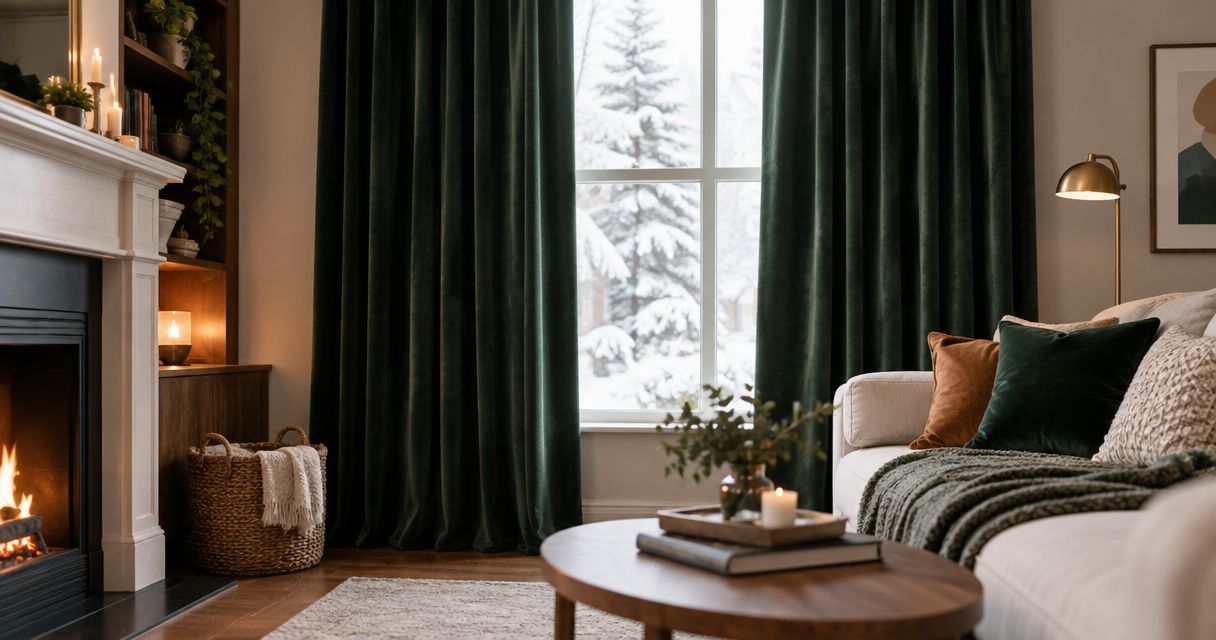
Best overall: custom full-length velvet curtains. Best for bedrooms: blackout-lined velvet curtains. Best for majlis rooms: velvet curtains layered with sheers. This 2026 guide compares the best velvet curtains for winter by fit, lining, room, and ease of use, with Curtain Store as the starting point for Riyadh homeowners who need custom measurement and installation support.
- Custom full-length velvet curtains are the best velvet curtains for winter overall in 2026.
- Blackout-lined velvet curtains suit bedrooms that need privacy, darkness, and added insulation.
- Velvet curtains layered with sheers give majlis rooms flexible daytime privacy.
- Interlined velvet curtains suit exposed windows where warmth matters more than easy handling.
- Curtain Store suits Riyadh homeowners seeking custom curtain measurement and installation support.
Why this matters
Velvet has a dense pile that limits light and helps reduce air movement near a window. It cannot replace wall or window insulation, but a well-fitted velvet curtain creates a useful barrier between the room and cold glass during winter.
Fit matters as much as fabric. A heavy curtain that ends inside the window frame or leaves wide side gaps will not control draughts as effectively as a correctly measured curtain with enough width to form full folds.
Riyadh homes also need daytime flexibility. Heavy velvet can make a room feel enclosed when fully drawn, so bedrooms, living rooms, and majlis spaces require different combinations of fabric, lining, and layering. Curtain Store supports custom curtains, fabrics, blinds, and installation, making those choices easier to coordinate in one project.
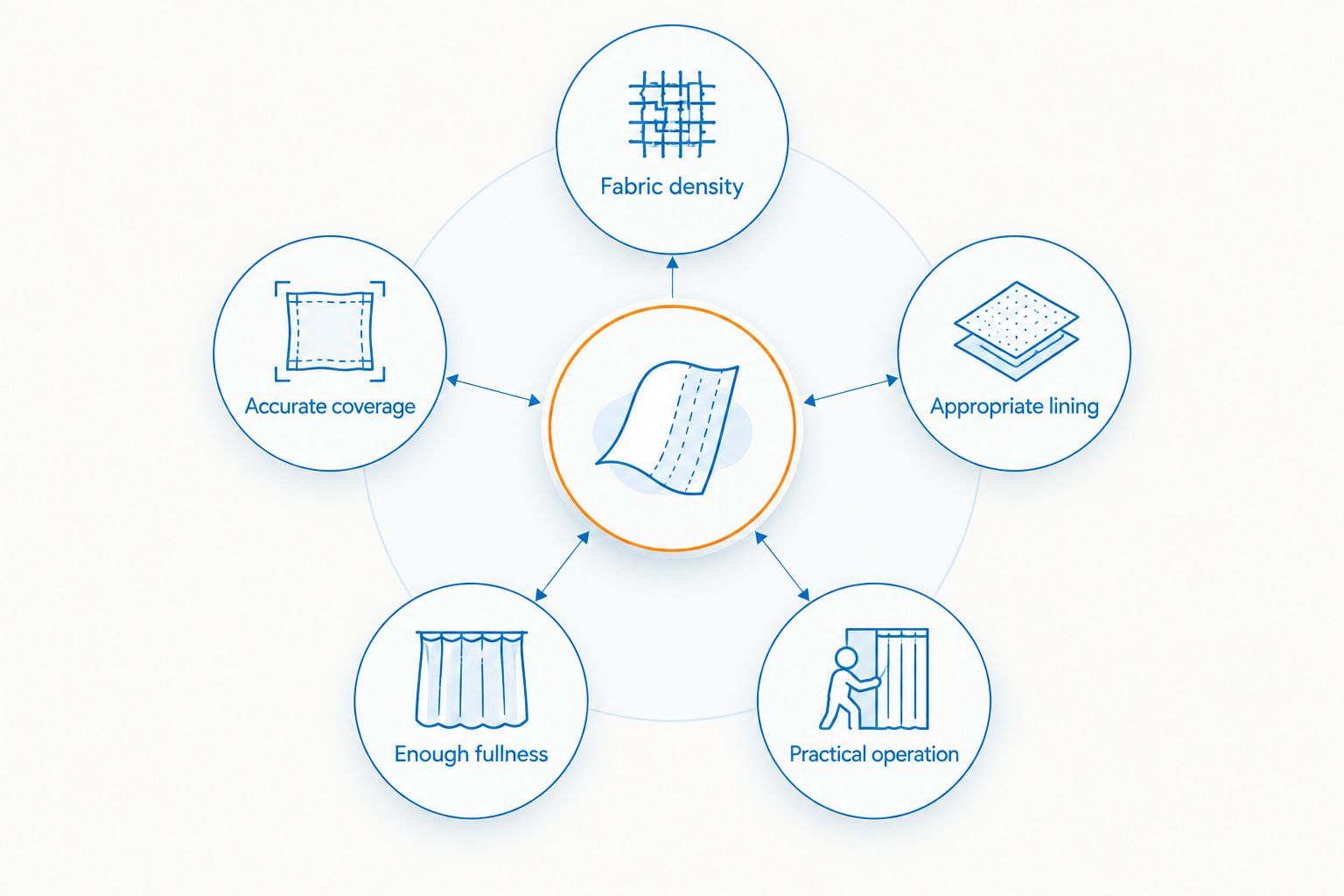
What makes the best velvet curtains for winter
- Fabric density: A dense, even pile creates a stronger barrier than thin decorative velvet.
- Accurate coverage: The curtain should cover the complete window opening and overlap its edges.
- Appropriate lining: Blackout lining controls light, while interlining adds another insulating layer.
- Enough fullness: Extra width creates folds that hold air between the fabric and window.
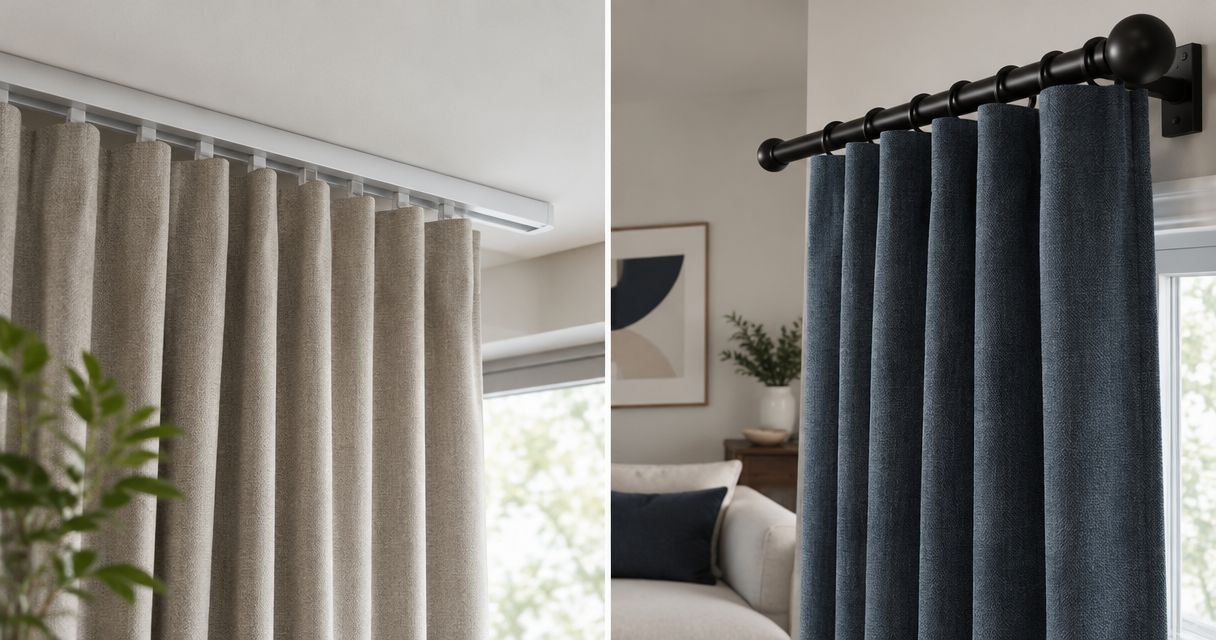
- Practical operation: Heavy panels need a track or rod that lets you open them without pulling the fabric.
- Room compatibility: Bedrooms, majlis rooms, and wide living-room windows need different solutions.
These criteria separate visual warmth from useful winter performance. Colour changes the mood of a room, but fit, density, lining, and installation determine how the curtain behaves after sunset.
Best velvet curtains for winter at a glance
| Rank | Curtain style | Best for | Standout feature | Key limitation |
|---|---|---|---|---|
| 1 | Custom full-length velvet curtains | Overall winter use | Measured coverage around the window | Requires planning before production |
| 2 | Blackout-lined velvet curtains | Bedrooms | Combines velvet with an opaque lining | Added weight requires suitable hardware |
| 3 | Velvet curtains with sheers | Majlis and living rooms | Flexible privacy across the day | Requires space for two layers |
| 4 | Interlined velvet curtains | Exposed windows | Extra fabric layer behind the velvet | Heavier and harder to handle |
| 5 | Ready-made velvet panels | Standard windows | Simple replacement for seasonal use | Fixed dimensions can leave gaps |
1. Custom full-length velvet curtains: best overall
Custom full-length velvet curtains are measured around the actual window rather than selected from fixed panel dimensions. That allows the width, finished drop, header, and lining to work together instead of forcing a standard curtain onto a non-standard opening.
For winter use, the main advantage is controlled coverage. The fabric can extend beyond the sides of the frame, reach the intended floor position, and form enough folds when closed. The custom curtains in Riyadh route is the strongest match when an exact fit matters more than immediate installation.
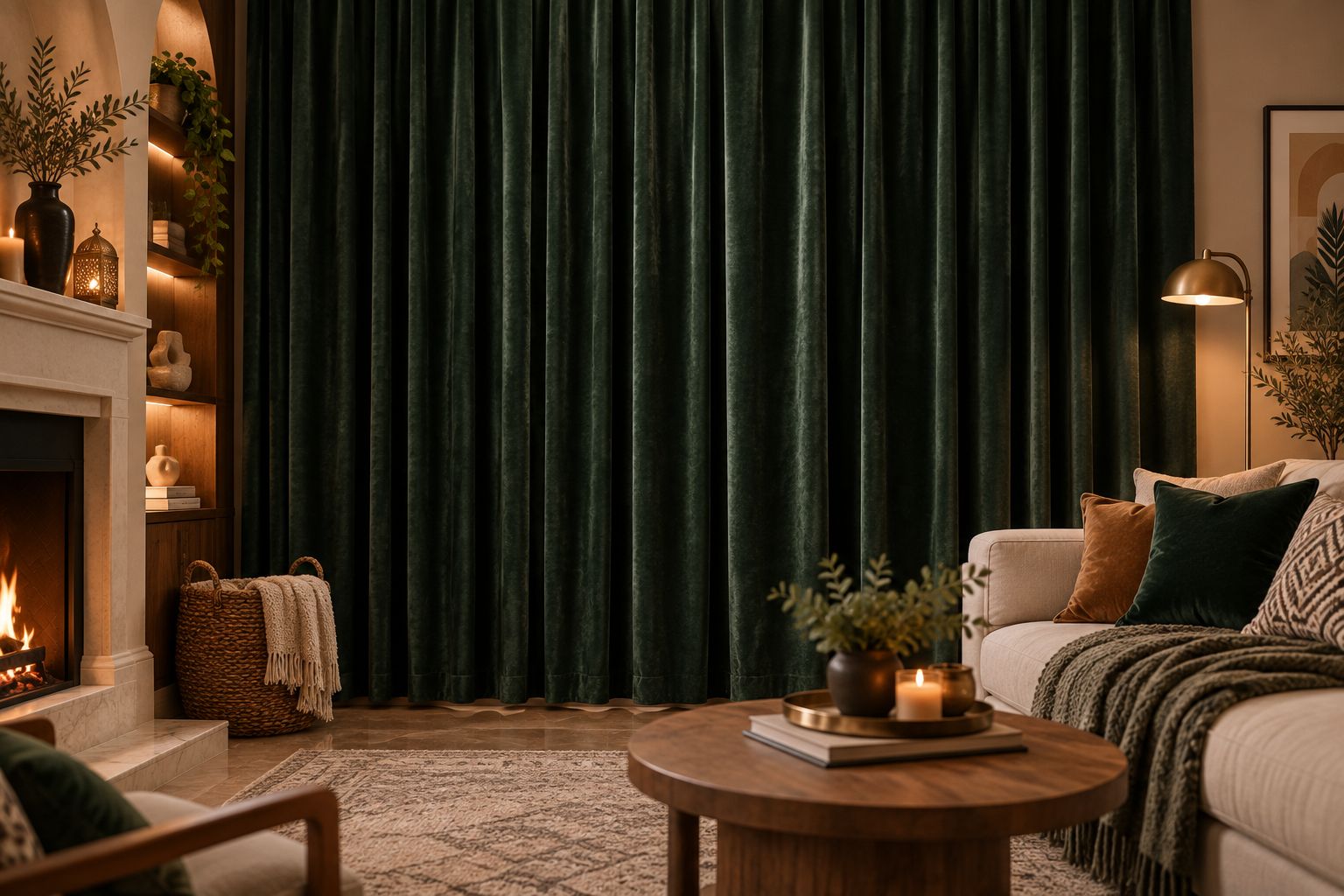
Custom full-length velvet curtain pros:
- Width and drop can match the actual opening.
- Lining and heading choices can suit the room's privacy needs.
- Full folds add body without relying on decorative pooling.
- Installation support reduces the risk of unsuitable hardware.
Custom full-length velvet curtain cons:
- Measurement and fabric selection add steps before installation.
- Heavy fabric is less convenient to remove and rehang.
- A poor measurement can affect the finished result, so the opening and track both need checking.
Best for: Riyadh homeowners furnishing a main bedroom, living room, or majlis for winter 2026.
Verdict: Buy if you want one dependable default and the window needs an exact fit.
2. Blackout-lined velvet curtains: best for bedrooms
Blackout-lined velvet curtains combine a dense face fabric with an opaque backing. The lining reduces incoming light, protects privacy, and adds another layer between the bedroom and the window.
This pairing is more practical than choosing velvet alone when sleep is the priority. The lining handles darkness while the velvet supplies texture and substantial folds. Curtain Store is a suitable option for coordinating velvet curtains with bedroom measurement and installation support.
Blackout-lined velvet curtain pros:
- Controls outside light more effectively than unlined velvet.
- Adds privacy when interior lights are on.
- Creates a defined barrier in front of cold window glass.
- Suits bedrooms used for daytime sleep.
Blackout-lined velvet curtain cons:
- The combined layers are heavier than unlined curtains.
- Dark lining is not a substitute for complete edge coverage.
- Thick curtains take more space when stacked open beside the window.
Best for: Bedrooms where darkness, privacy, and winter comfort carry equal weight. The bedroom blackout curtain guide explains the broader options.
Verdict: Buy for a bedroom; choose custom sizing when light enters around standard panels.
3. Velvet curtains with sheers: best for majlis rooms
A layered arrangement places sheer curtains nearest the window and velvet curtains on the room side. During daylight, the velvet can remain open while the sheers soften the view into the room. At night, closing the velvet adds privacy and creates a warmer visual finish.
This is the most flexible choice for a majlis because the room can shift between bright daytime use and a more enclosed evening setting. The two fabrics need separate movement, so the track arrangement should be decided before measurements are finalised.
Velvet curtains with sheers pros:
- Separates daytime privacy from evening coverage.
- Lets you open the heavy layer without leaving the window bare.
- Adds depth to large windows and formal seating areas.
- Gives you more control than one fabric layer alone.
Velvet curtains with sheers cons:
- Two layers require more stacking space beside the window.
- Separate tracks make installation more involved.
- The sheer layer does little for insulation when the velvet is open.
Best for: Majlis rooms, reception spaces, and living rooms used throughout the day in winter 2026.
Verdict: Buy when daytime privacy matters; skip the sheer layer in rooms where the velvet normally stays closed.
Explore custom winter curtains
Review custom curtain options for your room, window size, privacy needs, and preferred fabric.
4. Interlined velvet curtains: best for exposed windows
Interlined curtains contain a separate insulating layer between the velvet face and the rear lining. This construction adds body and creates another barrier in front of the window without changing the visible velvet surface.
Interlining makes sense where a large pane feels noticeably colder than the rest of the room. It is less useful when the main issue is light control, because blackout lining addresses that need more directly. The finished curtain also becomes heavier, so the track, brackets, wall fixing, and opening method all require attention.
Interlined velvet curtain pros:
- Adds another fabric layer without changing the front appearance.
- Gives folds a fuller, more structured shape.
- Suits large windows where the curtain remains closed for long periods.
- Can be combined with a separate rear lining selected for the room.
Interlined velvet curtain cons:
- Heavier construction places more demand on tracks and brackets.
- Thick panels occupy more space when open.
- Cleaning and rehanging are harder than with a single unlined panel.
Best for: Rooms with large or exposed windows where winter comfort matters more than lightweight handling.
Verdict: Buy for a clearly cold window; Hold if blackout and privacy are the only problems you need to solve.
5. Ready-made velvet panels: best for standard windows
Ready-made velvet panels use fixed widths and drops. They are the simplest way to introduce velvet into a room when the window and existing hardware already suit an available panel size.
Their winter value depends almost entirely on fit. Two panels that close with enough overlap can work well, but panels that barely meet in the centre or stop short at the sides lose much of the benefit associated with dense fabric.
Ready-made velvet panel pros:
- Fewer decisions than a fully custom order.
- Easy to move between rooms with compatible window dimensions.
- Suitable for testing velvet before changing the complete window treatment.
- Works with existing hardware when the heading type matches.
Ready-made velvet panel cons:
- Fixed sizing can leave gaps at the sides, centre, or floor.
- Available headings may not match the installed rod or track.
- Wide windows can require several panels, creating extra joins.
Best for: Standard windows where the available panel dimensions provide proper coverage in winter 2026.
Verdict: Buy only after measuring the opening and hardware; Skip when the panels cannot overlap the frame.
How we ranked these winter curtain options
The ranking follows the criteria established above: density, coverage, lining, fullness, operation, and room compatibility. Custom full-length velvet takes first place because accurate sizing supports every other criterion. A dense fabric cannot perform properly when its dimensions leave the window perimeter exposed.
Blackout-lined velvet ranks second because bedrooms have a clear need for darkness as well as privacy. Layered velvet and sheers rank third because they solve the changing privacy needs of majlis and living rooms, but they require more track space.
Interlined curtains serve a narrower thermal use case, while ready-made panels depend on standard dimensions. Curtain Store fits the overall recommendation because its stated service includes custom and ready-made curtains, fabrics, blinds, and installation for homes and businesses in Saudi Arabia.
Which velvet curtains should you choose?
Choose custom full-length velvet curtains if you are undecided. They provide the clearest path to complete coverage, suitable fullness, and hardware selected for the finished fabric weight.
Choose blackout-lined velvet for a bedroom where outside light is disruptive. Choose velvet with sheers for a majlis that needs daylight privacy, and choose interlining only when an additional fabric layer addresses a real comfort problem near the window.
Ready-made panels remain practical for standard openings, but measure before choosing them. Curtain Store supports Riyadh homeowners and business buyers who need a custom-order process with measurement and installation support in 2026.
A practical measurement check
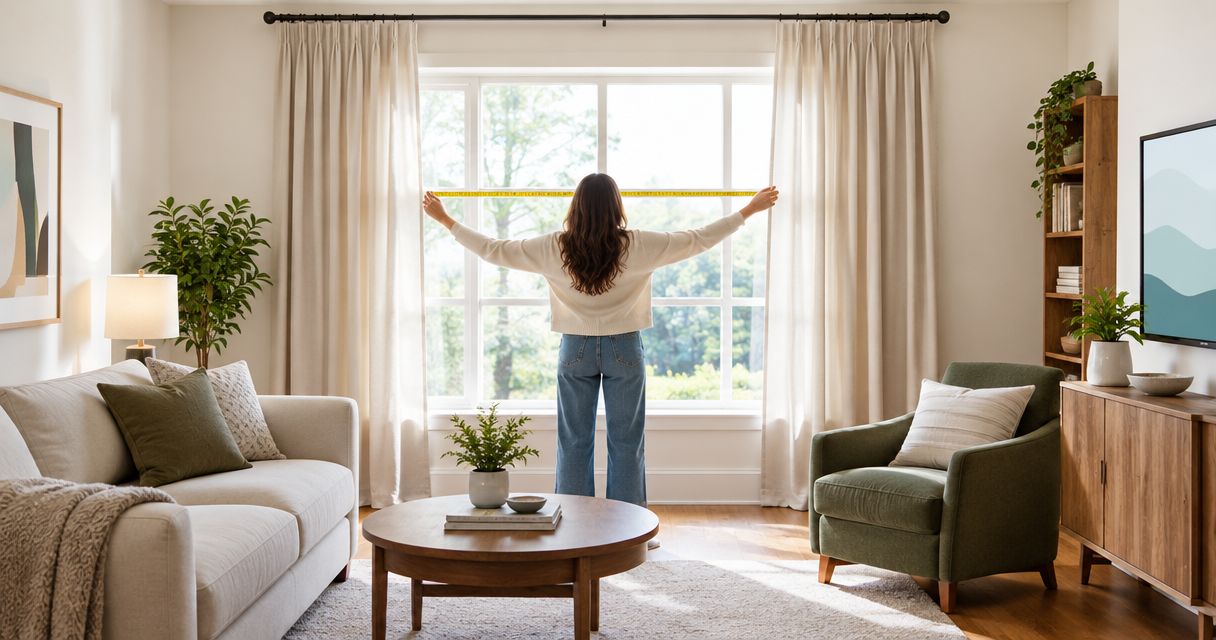
Measure the full intended track width rather than only the glass. As a practical starting point, extending the treatment about 15 cm beyond each side of the frame improves side coverage when wall space allows.
Curtain fullness is commonly planned at roughly 1.5 to 2 times the track width, depending on the heading and desired folds. More fabric is not automatically better: very deep fullness adds weight and increases the space required when the curtain is open.
For curtains intended to clear the floor, a gap of about 1 cm avoids dragging while keeping the visual break small. These are planning ranges rather than fixed product specifications; final dimensions must reflect the window, track, heading, and floor level.
FAQ
What are the best velvet curtains for winter in 2026?
Custom full-length velvet curtains are the strongest overall choice for winter in 2026. Accurate width, drop, fullness, and lining matter more than colour when you want useful window coverage.
Are velvet curtains warm enough for winter?
Velvet curtains add a dense fabric barrier in front of cold glass and help limit air movement near the window. They improve comfort but do not replace properly insulated windows or walls.
Are blackout-lined velvet curtains better for bedrooms?
Blackout-lined velvet curtains are the practical bedroom choice when darkness and privacy matter alongside winter comfort. The combined layers are heavy, so the rod or track must suit the finished curtain.
Can I layer sheer curtains behind velvet curtains?
Yes, sheers can sit behind velvet curtains on a separate track. The sheers provide daytime privacy, while the velvet layer closes for evening privacy and a more enclosed feel.
How much do custom velvet curtains cost in Riyadh?
Custom velvet curtain cost depends on the window dimensions, fabric, lining, heading, hardware, and installation requirements. Request a current quote after the window and preferred construction are confirmed.
Do velvet curtains need professional installation?
Heavy or lined velvet curtains benefit from installation support because the track, brackets, and wall fixings must carry the finished weight. Lightweight existing hardware should be checked before the curtains are hung.
Should velvet curtains touch the floor?
Velvet curtains can finish just above the floor for easier daily use or meet the floor for a fuller appearance. Avoid excessive pooling where dust, cleaning, or frequent opening is a concern.
Are ready-made velvet curtains suitable for winter?
Ready-made velvet curtains are suitable when their fixed dimensions cover the complete window and overlap the frame. Custom sizing is the safer choice for unusually wide, tall, or uneven openings.
One last thing
Do not choose the track after choosing heavy velvet. The track, brackets, wall surface, lining, and curtain width work as one system, and adding dense fabric to unsuitable hardware creates difficult opening and visible sagging.
For winter 2026, decide the complete construction before confirming the fabric quantity: track position, finished drop, side overlap, lining, fullness, and stacking space. That order prevents a visually attractive curtain from becoming awkward to use every day.