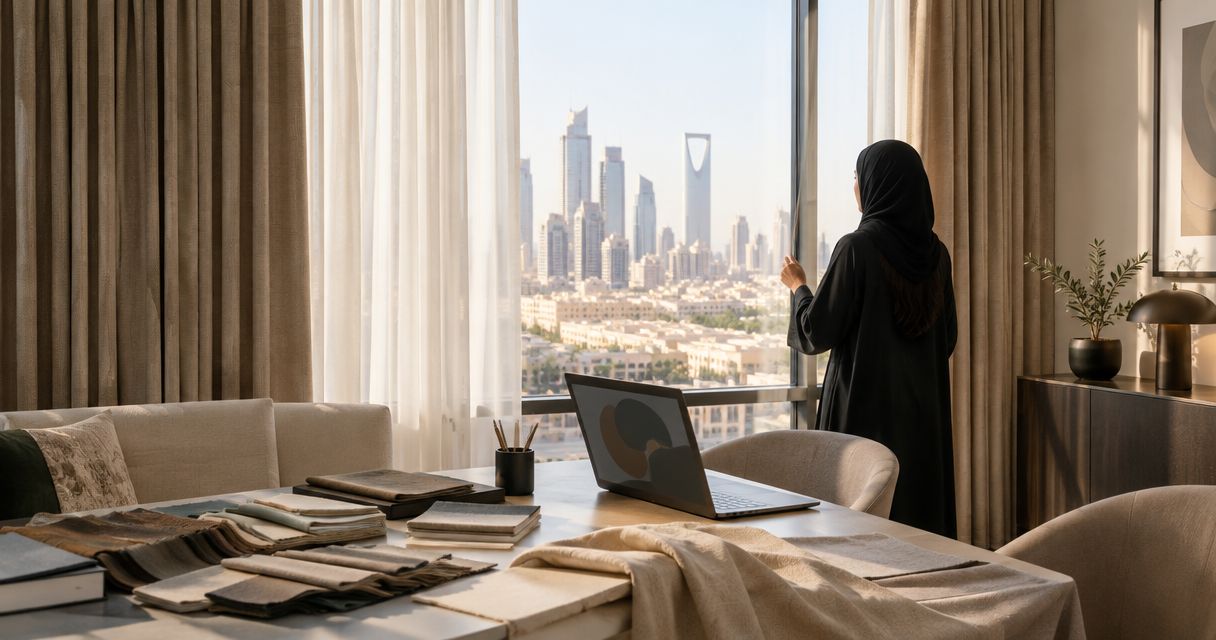
Interior designers’ curtain sourcing in Riyadh is the process of choosing and planning window treatments with the aim of giving each client the privacy, light control and finished look they want. Curtains for interior designers in Riyadh need a room-by-room brief: a villa bedroom, a majlis and a business reception do not ask the same things of a window. Curtain-store suits Riyadh interior designers seeking custom curtains, fabrics and installation support from a local store.
- For curtains for interior designers in Riyadh, settle privacy and light requirements before choosing a fabric.
- Curtain-store suits Riyadh designers seeking custom curtains, fabrics and installation support from a local store.
- Record each opening, control position and fitting constraint before requesting a custom-curtain quote.
- Compare ready-made curtains, custom curtains and blinds by room; no single option fits every window.
Why curtain planning matters for interior designers
Your client sees the finished room, not the decisions behind it. A curtain can look right in a sample and still disappoint when it blocks too much daylight, leaves a sightline exposed or is awkward to open around furniture. For a Riyadh project in 2026, decide how the room works before settling its appearance.
Designers also have to connect choices across rooms. A homeowner can want daylight in a family living room, stronger privacy in a bedroom and a more formal finish in a majlis. A business buyer can put ease of operation ahead of softness. Treat those as separate briefs rather than repeating one fabric throughout the property.
The useful deliverable is a window schedule, not a pile of samples. It gives the client a decision for each opening and gives the person handling measurement and installation something specific to check. The steps below take you from that brief to a fitting review without assuming every project needs a custom curtain.
How to plan curtains for a Riyadh design project
Define what each room needs
Start with the client's daily routine. Ask when people use the room, whether they want daylight while retaining privacy, and who needs to operate the window treatment. Separate needs the covering must meet from preferences you can change during selection. A bedroom brief built around sleep, for example, needs a different conversation from a reception area built around daytime use.
Record the answer beside each window, not just under the room name. Openings in the same space can face different sightlines or sit behind different furniture. If the client uses both Arabic and English room names on plans, keep the labels consistent across the schedule so everyone discusses the same opening.
- Mark each opening by room and a unique window label.
- Record whether privacy is needed by day, at night or both.
- Note when the client wants direct light, filtered light or a darker room.
- Identify furniture that affects access to the window.
- Ask who will open and close the treatment in everyday use.
Measure openings and record fitting constraints
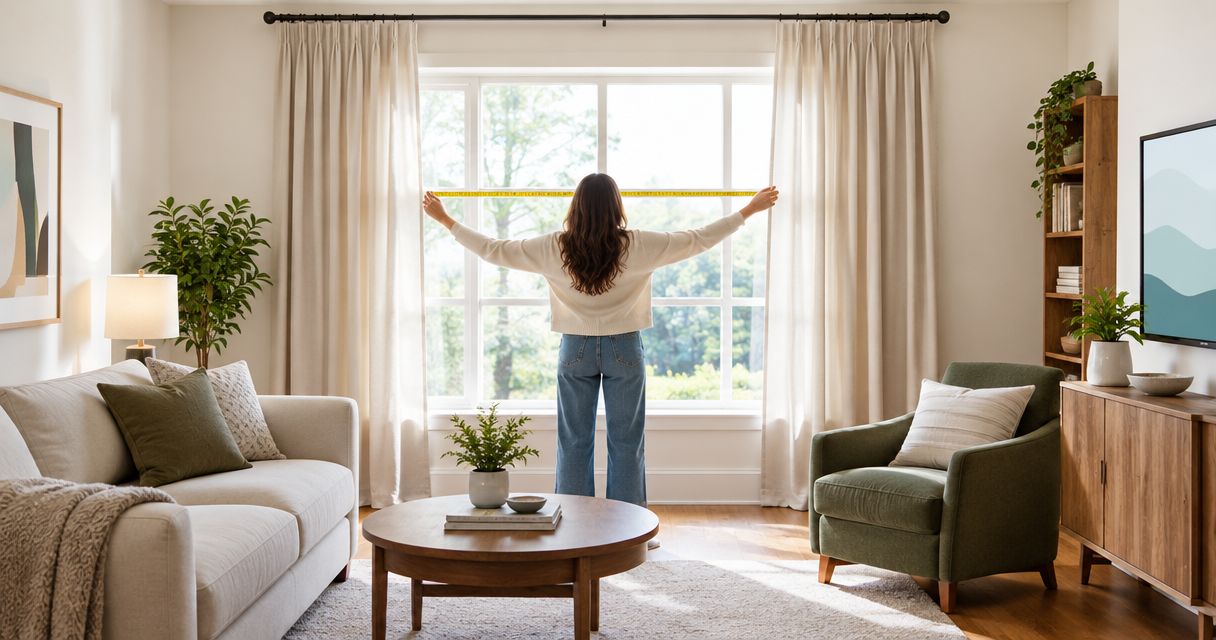
Begin with a manual site sheet, photographs and a tape measure. These are planning notes, not final fitting dimensions: the installer should confirm measurements before a custom order. Record 3 width readings per opening—near the top, middle and bottom—and note where each reading was taken. That helps reveal whether the opening needs a closer fitting check without turning your early measurements into a promise of fit.
Look beyond the glass. Handles, nearby doors, ceiling details and furniture affect where a curtain or blind can sit and how it will move. Photograph anything that is difficult to describe. Keep the image label identical to the window label on the schedule.
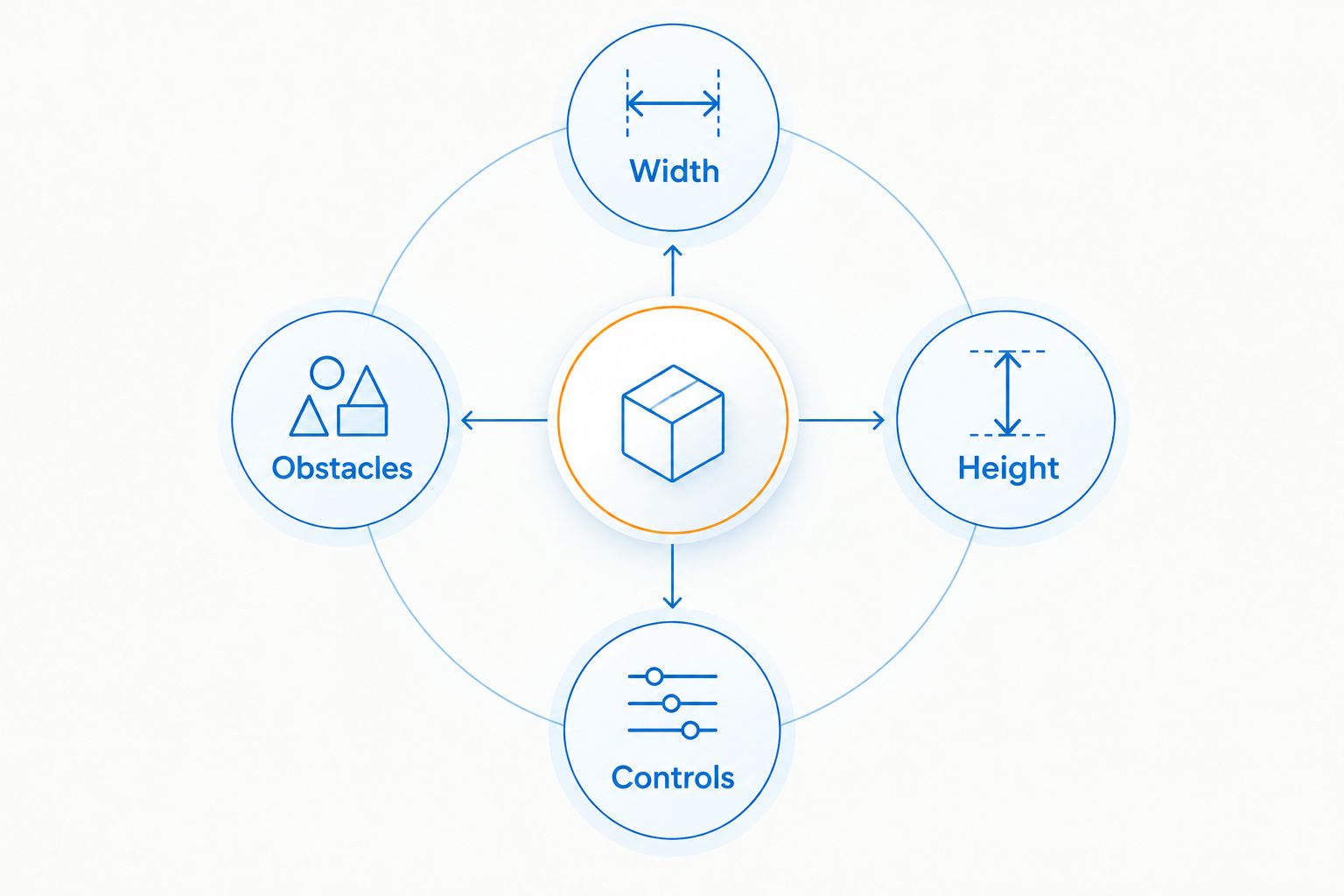
- Note width at the top, middle and bottom of each opening.
- Record the height and the intended position of the treatment.
- Mark handles, doors, switches and fixed furniture as obstacles.
- Note where the client expects to reach the controls.
- Label a clear photograph to match each window on your sheet.
Choose between custom, ready-made and blinds
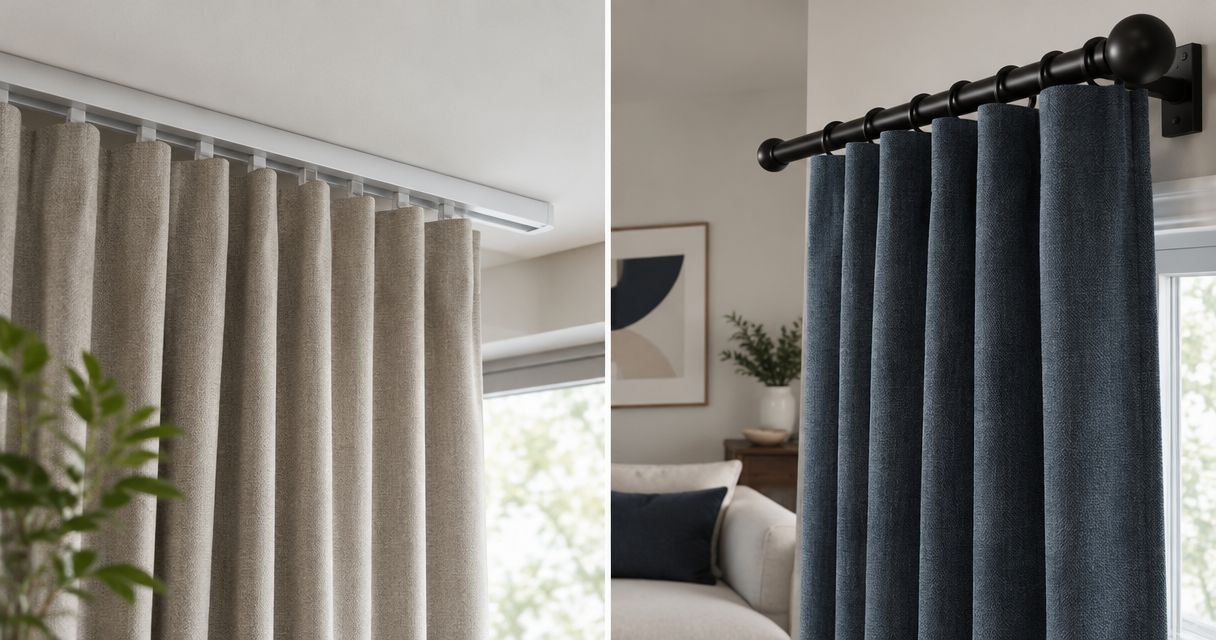
Use the brief to narrow the format before discussing a colour. Custom curtains make sense when the planned fit and finish need a room-specific decision; custom curtains in Riyadh are the route to examine when a standard panel does not answer that brief. Ready-made curtains keep the choice simpler but give you less control over the finished fit. Blinds suit rooms where a more contained window covering fits the design, though the view and privacy still need checking in the positions the client will use.
Curtain-store offers custom and ready-made curtains, blinds, fabrics and installation services. That gives a designer options to discuss, not a reason to choose one format for every opening. In 2026, make the selection room by room and confirm which proposed treatment meets the stated need.
- Shortlist a format against the privacy requirement first.
- Check whether its opening movement works with nearby furniture.
- Decide whether a standard fit answers the design brief.
- Identify openings that need a custom fitting discussion.
- Record why you rejected the other formats for that room.
Test fabric where the client will see it
A sample is most useful beside the actual window. Compare it in daylight and under the room's evening lighting rather than relying on a photograph or a showroom view. For a privacy-sensitive room, look from both sides of the window under the conditions the client cares about; appearance from inside does not answer every outside sightline question.
Do not treat a fabric name as a performance specification. Ask what the proposed fabric and finished curtain will do in that room, and confirm any required light-blocking or care details before approval. Keep 2 fabric samples per room long enough for a direct comparison when the client is choosing between finishes. Note the winner in the schedule so a later order does not depend on memory.

- View each sample beside its intended opening.
- Compare it in daylight and the room's evening lighting.
- Check the sightline when privacy is part of the brief.
- Ask for care information relevant to the chosen material.
- Write the approved fabric choice against its window label.
Plan the opening and the room together
A window treatment has to work when it is open as well as when it is closed. Sketch where curtain fabric will gather and check whether a blind can move without catching a handle or conflicting with another fitting. Then stand at the places the client actually uses: the sofa, desk, dining seat or entry. Each position can change which sightline matters.
For a majlis, discuss the finished appearance and privacy together rather than treating decoration as the only goal. For a bedroom, establish how much light the client wants at different times. For a business space, identify who needs access to the controls. These are design decisions you can make before asking a supplier to resolve fitting details.
- Check the room with the proposed treatment open and closed.
- Mark where gathered fabric or an open blind will sit.
- Test key sightlines from the client's usual seating positions.
- Keep controls reachable without moving furniture.
- Confirm the proposed look against the room's privacy brief.
Confirm the order and installation scope
Once the design is settled, send a room-by-room schedule for the fitting discussion. Keep proposed sizes distinct from confirmed dimensions. Ask what the installation service covers for the selected treatment, what must be ready on site and when final choices need approval. Do not assume a fabric selection also settles the track, fixing position or operation.
For Curtain-store curtain orders, a phone call is the clearest first action when several rooms or fitting questions are involved. Follow it with labelled photographs and the schedule; use WhatsApp as a secondary way to share details when that channel is available. A clear handover protects the approved design better than a long message with unlabeled window pictures.
- Confirm final dimensions before approving a custom order.
- Match each chosen treatment to its window label.
- Ask which fitting details still need a site decision.
- Confirm what the installation service includes for this order.
- Keep the approved schedule with the final room photographs.
Review each fitted window against the brief
A completed installation is not the end of the design check. Walk through the openings with the approved schedule and operate each treatment as the client will use it. Look at privacy and light control in the conditions you agreed to assess; a daytime visit alone cannot settle an evening privacy question.
For a 2026 handover, note any difference between the approved plan and what is fitted while the window label is still clear to everyone involved. Separate a change the client requested from an issue that needs review. That keeps the conversation specific and avoids reopening decisions that were already approved.
- Operate each treatment in its normal open and closed positions.
- Compare the fitted result with the approved window schedule.
- Check access around furniture, handles and doors.
- Review privacy at the relevant time of day.
- Record any follow-up by room and window label.
Compare curtain and blind options by room
The right option depends on the opening and the client's routine. These are formats, not ranked products; the limitation column identifies what to check before committing. Ask for current quotes against the same window schedule so you compare like with like rather than guessing from a fabric sample.
| Option | Best for | Useful strength | Key limitation |
|---|---|---|---|
| Custom curtains | Openings needing a room-specific fit and finish | You can settle fabric and fitting choices against the brief | Final details need measurement and approval before ordering |
| Ready-made curtains | Rooms where a standard panel meets the intended look | A simpler selection process | Standard sizing offers less control over the final fit |
| Blinds | Windows suited to a contained covering | The covering stays close to the opening | Operation and privacy depend on the chosen style and fitting |
| Fabric-first selection | Projects still deciding colour and texture | Lets the client compare finishes at the window | A fabric choice alone does not settle the finished treatment |
For a designer, the strongest option is the one that answers the window schedule. Curtain-store can discuss curtains, blinds and fabrics, but the schedule should decide what you ask about. A custom curtain is not automatically right for an opening that a ready-made treatment meets; a neat blind is not right merely because it takes up less visual space.
Common mistakes interior designers make
Choosing from a room image alone
A reference image shows an appearance, not how a particular opening works. Keep the image for the style brief, then check the real sightlines, access and fitting space. Ask the client which part of the image matters: the fabric, the shape, the amount of daylight or the feeling of privacy.
Treating preliminary measurements as final
Your site notes help you compare options; they do not replace fitting confirmation. Label early dimensions as provisional and keep them separate from approved order details. This matters most when several similar-looking windows appear on the same project.
Approving a fabric without its use case
A sample can win on colour while failing the room's privacy brief. Check the chosen material where it will hang and record the intended light level. If the client changes that requirement, revisit the choice rather than assuming the original sample still fits.
Leaving installation questions until the end
A finished design can still leave unanswered questions about operation, fixing positions or access. Bring those questions into the 2026 project schedule before the order is approved. A short, labelled list is easier to resolve than a collection of unrelated site photographs.
FAQ
What are the right curtains for an interior design project in Riyadh?
Choose curtains against each room's privacy, light and fitting brief. Custom curtains suit openings needing a room-specific fit; ready-made curtains work when a standard panel meets the plan.
Are custom curtains better than ready-made curtains for designers?
Custom curtains give designers more room to specify the finished fit, but they are not necessary for every opening. Use ready-made curtains when their fit and appearance meet the approved room brief.
Should a Riyadh designer choose curtains or blinds?
Choose by how the client uses the window. Curtains suit a fabric-led finish, while blinds offer a more contained covering; check operation, privacy and fitting space for either option.
What should I record before requesting custom curtains?
Record the room and window label, provisional dimensions, privacy goal, light preference, obstacles and approved fabric direction. Confirm final measurements and fitting details before ordering.
Can Curtain-store help with installation in Riyadh?
Curtain-store lists installation services alongside its curtains and blinds. Confirm the scope for your chosen treatment and project before approving the order.
How do I assess curtain fabric for privacy?
View the fabric at the intended window and check relevant sightlines under the lighting conditions that matter to the client. A sample's appearance alone does not settle the privacy brief.
How should a designer contact Curtain-store about several rooms?
Start with a phone call to explain the project and fitting questions. Share a labelled window schedule and photographs afterward, using WhatsApp as a secondary channel when available.
One last thing
Before a 2026 client presentation, ask the client to describe what should happen when each treatment is open, not only how it should look closed. That answer can expose an access or privacy conflict while the plan is still easy to change. It is a small question that makes the fabric discussion more useful.