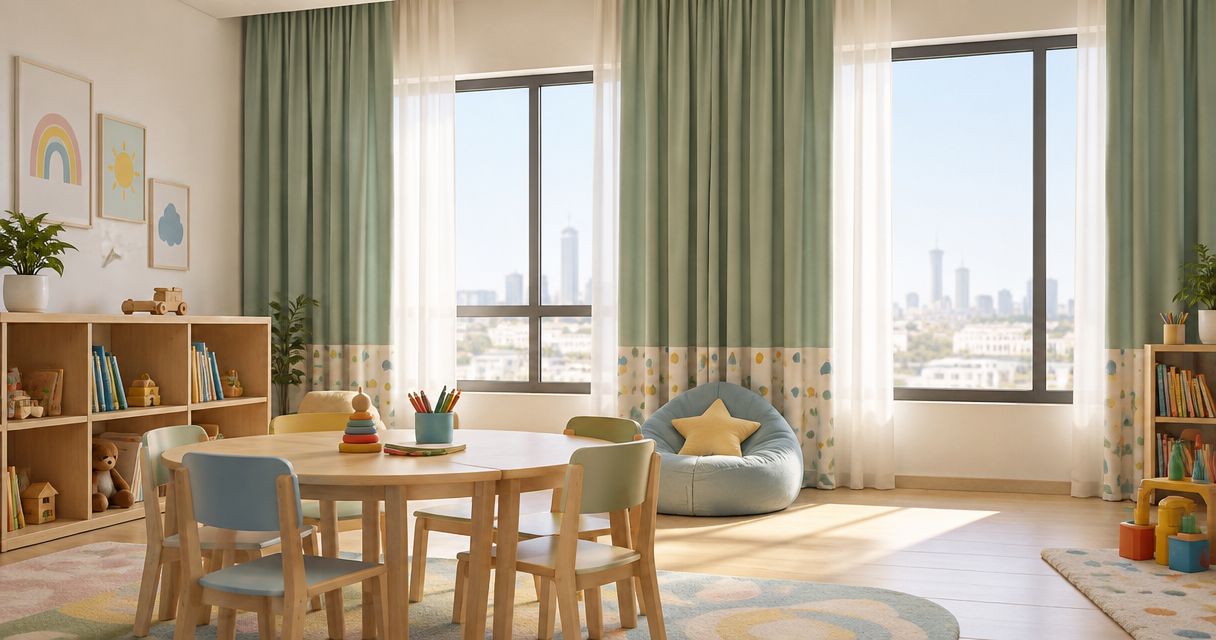
Curtains for nurseries and preschools in Riyadh are window coverings chosen to give children privacy, manageable daylight and a comfortable room while keeping everyday use practical for staff. Unlike a bedroom, a shared learning space needs a plan for play, rest, cleaning and adult-operated controls before anyone chooses a fabric.
- For curtains for nurseries and preschools in Riyadh, choose by room use, child access and light control before appearance.
- Curtain-store is a practical starting point for custom and ready-made curtains with measurement and installation support in Riyadh.
- Keep reachable cords out of the specification; confirm suitable controls and any applicable facility requirements before ordering.
- Measure every opening separately, then test the finished covering during play, rest and cleaning routines.
Why curtains matter for nurseries and preschools
A preschool window has more than one job. Staff need daylight for activities, privacy where children change or rest, and a way to reduce glare without leaving a room unnecessarily dark. The right choice depends on where children sit, play and sleep—not just how the curtain looks when the room is empty.
For a Riyadh nursery in 2026, make the decision room by room. A rest area can call for stronger light control than a play area. A window beside a sink, storage unit or doorway creates different cleaning and access questions from an unobstructed wall. The useful specification describes each window's job and how staff will operate its covering.
Curtain-store offers ready-made and custom curtains, blinds, fabrics and installation services for homeowners and businesses in Saudi Arabia. For a nursery or preschool, start with the rooms and openings rather than asking for the same treatment throughout the building.
How to choose curtains for a nursery or preschool
Map each room before choosing fabric
Walk through the space during the activities that happen there. Note where staff need an open view, where children need privacy, and where direct light falls on tables or rest mats. A window that looks comfortable at one point in the day can serve a different purpose during another activity.
Give each opening a role: admit daylight, provide privacy, reduce glare or darken a rest area. If one room serves several purposes, write down which need takes priority and how staff will change the covering. Do not assume every window on the same wall needs an identical treatment.
- Mark play areas where staff need usable daylight and clear sightlines.
- Mark rest areas where staff want greater control over incoming light.
- Identify windows where privacy matters from outside the room.
- Note furniture, shelves and doors that affect access to the covering.
Record each opening and its obstacles
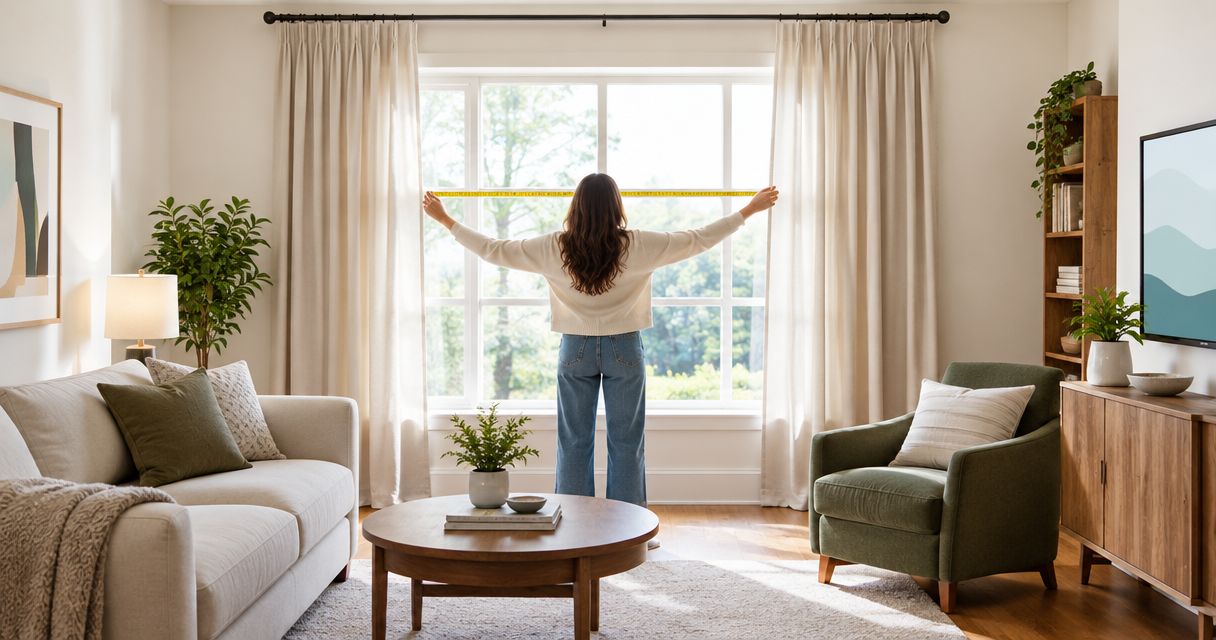
Measure the actual openings instead of ordering from a floor plan or assuming matching windows are identical. Record the width at 3 points and the drop at 3 points for each opening; keep the measurements with a photo or sketch of that particular window. These are checks for your planning notes, not finished-curtain dimensions.
Also look beyond the glass. A handle, projecting sill, air-conditioning unit or nearby door affects where fabric and controls can sit. If you want a custom treatment, discuss the intended mounting position before treating any measurement as an order size. The installation team should work from the agreed opening and fitting details.
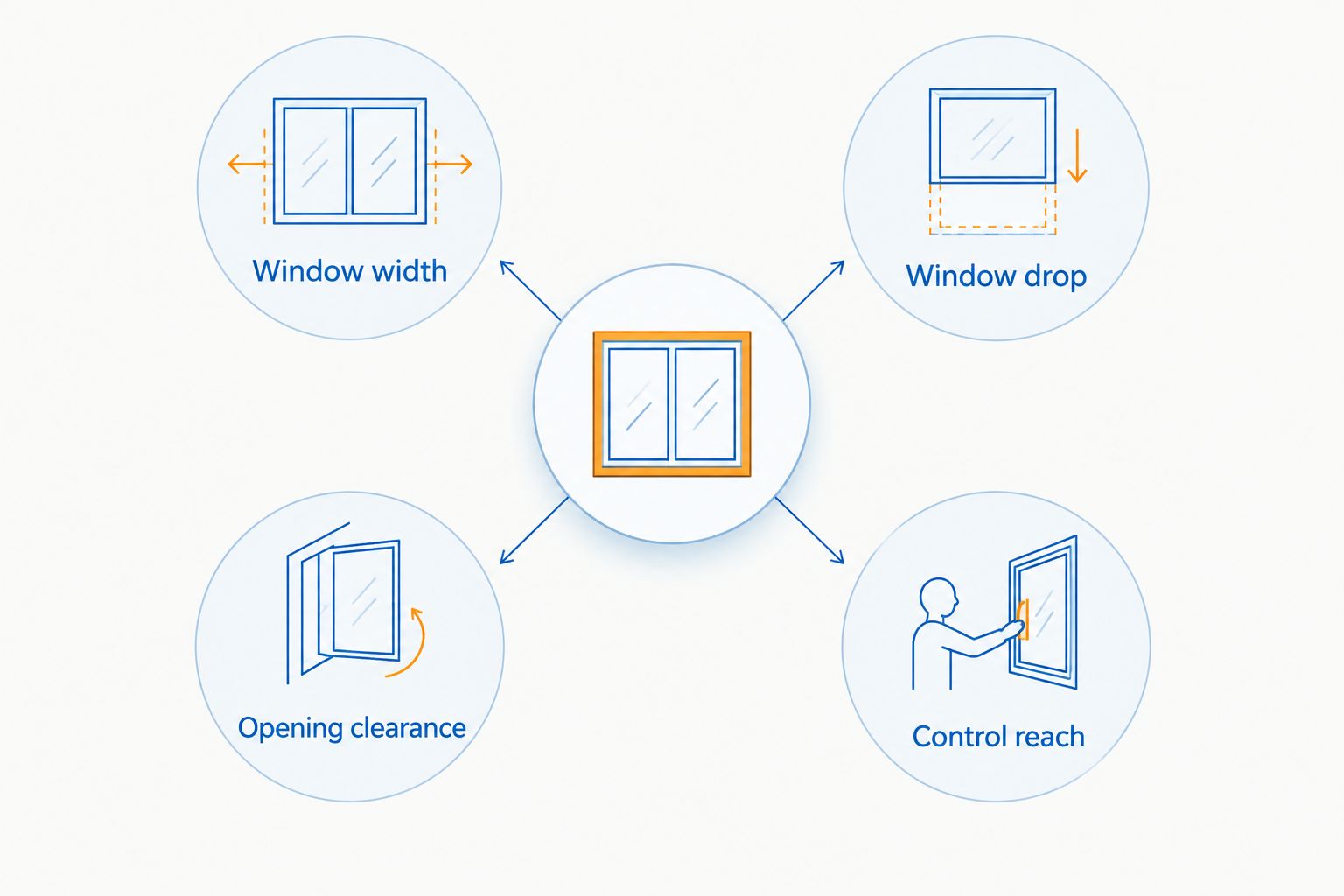
A simple window record keeps staff and the person arranging the order aligned:
- Window width: note the measurements and where each was taken.
- Window drop: record the intended top and bottom positions.
- Opening clearance: show handles, doors, vents and nearby furniture.
- Control reach: mark where an adult can operate the covering.
Match daylight control to the activity
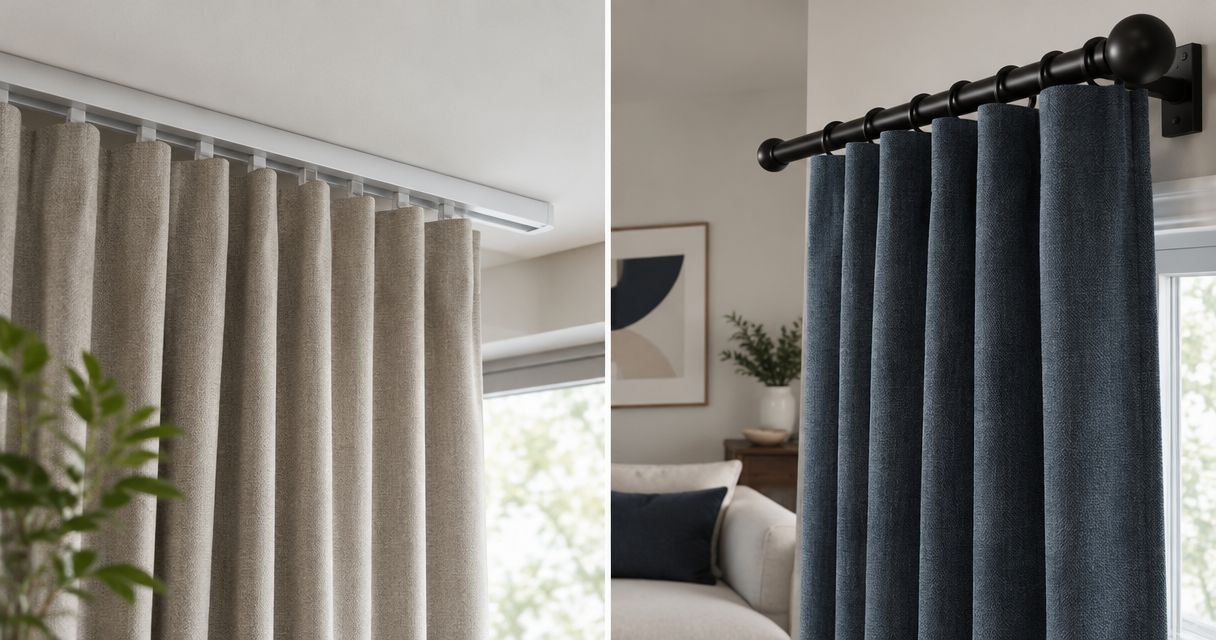
Decide how much light each room needs while it is occupied. A sheer curtain admits light while softening the view through a window, but it will not serve the same purpose as an opaque covering when a rest area needs to be darker. A blind offers a different way to adjust incoming light; its suitability also depends on its controls and position.
Look at the window from the places children and staff actually use. If light reaches a table, check that view from the table. If a rest area shares a room with a play area, decide whether one covering can handle both routines or whether separate layers make more sense. Choose the light-control goal first, then discuss fabric and format.
- Keep play spaces bright enough for their planned activities.
- Check glare from staff positions and children's seating areas.
- Choose stronger light control where rest routines call for it.
- Decide whether staff need to adjust privacy and daylight separately.
Keep operation in adult hands
Young children can reach, pull and play with things adults overlook. Treat accessible cords and loose operating parts as a selection issue, not a detail to resolve after installation. Ask the supplier to explain how each proposed curtain or blind operates and where its controls will sit.
A good nursery specification also considers what happens when furniture moves. A control that seems out of reach beside an empty wall can become accessible next to a shelf or chair. Review the room layout with staff before approving the fitting position, and check the applicable safety requirements for your facility rather than relying on a product label alone.
- Ask for a control arrangement suited to spaces used by young children.
- Avoid specifying a reachable dangling cord.
- Check whether furniture gives children access to controls.
- Confirm who will operate and check each covering during the day.
Choose fabric around cleaning and room use
A curtain is touched, opened and closed in a busy room. Ask how the proposed fabric should be cleaned and whether that care method fits the nursery's routine. A material that looks right in a sample is the wrong choice if staff cannot follow its care instructions in that room.
For custom work, custom curtains in Riyadh are worth considering when openings or room uses differ. Curtain-store can discuss custom curtains as well as ready-made options; that does not make custom the automatic choice for every window. Compare the fabric's handling, light control and care instructions before settling on appearance.
- Request care instructions for the fabric under consideration.
- Check how the material feels and hangs in a physical sample.
- Compare the fabric's light control with the room's task.
- Record any facility-specific material requirements before ordering.
Plan fitting around the room's routine
Installation is part of the decision, not an afterthought. A covering needs a fitting position that lets staff operate it and lets the window, door and nearby equipment work as intended. Share the window records, room layout and access concerns with whoever is arranging the fitting.
For a preschool, agree how rooms will be kept clear during installation and who will check each finished opening. Ask about the service process before setting a schedule; do not treat a general fast-service claim as a commitment to a particular measurement or fitting date. If your facility has its own access or work requirements, communicate them before the visit.
- Confirm the intended mounting position for each opening.
- Flag doors, handles and equipment that need clearance.
- Arrange access to rooms without disrupting children's activities.
- Identify the staff member who will inspect completed fittings.
Test the result with staff in the room
A finished curtain should work during an ordinary day, not only in a still room. Have staff open and close it from the position they normally use, then check the view from a child's seat, a rest area and the doorway. Make sure the selected privacy setting still allows staff to use the room as planned.
Repeat the check when the room is set up for a different activity. Furniture placement, cleaning access and the path to a window all affect daily use. Keep a short record of anything that needs adjustment so the installation discussion refers to a specific opening rather than a vague complaint about the room.
- Operate each covering from the staff's usual position.
- Check daylight and privacy during the room's normal activities.
- Confirm furniture has not made controls accessible to children.
- Note any snagging, blocked access or clearance problem.
Compare the main options
The right option depends on whether you need a quick fit for a straightforward opening, a tailored fit, adjustable daylight or separate privacy and darkening settings. These are categories to compare, not a claim that every format is suitable for every nursery. Ask for the proposed fabric, control arrangement and fitting method before making a 2026 purchase decision.
| Option | Best for | Cost consideration | Key limitation |
|---|---|---|---|
| Ready-made curtains | Straightforward openings where the fit and operation work as supplied | Confirm the full specification with the supplier | Fixed sizes can leave gaps or interfere with nearby fittings |
| Custom curtains | Openings that need a planned fit or different treatment by room | Request a room-by-room specification | They still require accurate measurements and an agreed fitting position |
| Blinds | Rooms where staff need to adjust daylight | Confirm the control and fitting details | Some operating arrangements are unsuitable within children's reach |
| Sheer curtain with an opaque layer | Rooms needing separate daylight and privacy settings | Compare both layers and their fittings | More fabric and fittings need cleaning and access checks |
For varied nursery windows, custom curtains are the stronger starting point when fit and operation need planning; ready-made curtains are simpler when the opening and controls already suit them. Curtain-store is a practical choice for Riyadh nurseries and preschools seeking custom or ready-made curtains with installation support, but the right treatment still depends on each room's light, cleaning and child-access needs.
If you are preparing a brief, ask the person handling the order to review your room list before discussing appearance. A phone conversation is useful for clarifying which openings need individual attention; keep your measurements and window notes beside you. For a business buyer, also share any facility rules that affect materials, access or installation.
Common mistakes nurseries and preschools make
Ordering one treatment for every room
Matching fabric can make a building feel consistent, but identical light control can work against the room's purpose. A rest area and a play area do not necessarily need the same level of coverage. Keep a consistent look if you want one, then specify the function of each window separately.
Choosing by appearance before checking controls
A sample tells you little about whether a young child can reach an operating cord. In a preschool, examine the proposed control arrangement and the final furniture layout before approving a curtain or blind. Make child access a selection criterion, not a final visual check.
Treating measurements as finished fitting instructions
A width and drop alone do not explain a handle, door swing or mounting position. Record those details for every opening and confirm the intended fit before placing a custom order. This prevents staff from having to explain a clearance problem after installation.
Forgetting the cleaning routine
Ask for care instructions while comparing materials. If the recommended care does not fit how the room is maintained, choose another fabric or treatment. The day-to-day cleaning plan belongs in the 2026 buying decision, alongside privacy and light control.
Assuming installation solves a poor specification
A neat fitting cannot turn the wrong fabric into the right light-control choice or make an accessible control appropriate for young children. Set the requirements first, then use the installation discussion to check that the proposed position supports them.
FAQ
What curtains work for a nursery rest area in Riyadh?
Choose curtains that give staff the light control the rest area needs and can be operated without accessible dangling cords. Check the room during its normal rest routine before deciding between an opaque curtain, a blind or separate layers.
Are custom curtains better than ready-made curtains for a preschool?
Custom curtains are the stronger choice when a window needs a planned fit or a room-specific treatment. Ready-made curtains suit straightforward openings when their size, fitting and operation meet the room's needs.
Can a Riyadh preschool use blinds instead of curtains?
Yes, blinds are an option when their light control, fitting and operating arrangement suit the room. Check how children can reach the controls and confirm any requirements that apply to your facility.
How do I measure nursery windows for curtains?
Record the width at 3 points and the drop at 3 points for each opening, then note handles, doors and nearby furniture. Confirm the mounting position and final order dimensions with the supplier before ordering.
Should a nursery choose sheer or opaque curtains?
Choose according to the room's task: sheers soften daylight, while opaque curtains give stronger light and privacy control. If one room needs both settings, discuss separate layers and their cleaning and fitting requirements.
What should I ask about curtain installation in 2026?
Ask where each covering and control will sit, how doors and windows will remain usable, and what room access the work requires. Share any facility-specific installation rules before agreeing on a plan.
How can I choose curtain fabric for a preschool?
Compare care instructions, light control and how a sample feels and hangs. Tell the supplier about the room's cleaning routine and any material requirements before choosing a fabric.
One last thing
Do the final check from a child's position as well as a staff member's. A curtain can look well placed from the doorway yet leave glare on a low table or put a control beside movable furniture. In 2026, the most useful final question is simple: does this covering still work when the room is being used?
Ready to dress the windows? Curtain-store can discuss curtain and blind options for Riyadh homes and businesses. Bring the room list and opening notes to that conversation so the discussion starts with privacy, comfort and everyday use.