
Mosque curtain selection is the process of choosing window coverings to support privacy, light control and daily use. For curtains for mosques in Riyadh, plan by room rather than choosing one fabric for every window: a prayer hall, an office and a private room can call for different coverage and upkeep.
- Curtains for mosques in Riyadh need a room-by-room plan for privacy, light control and upkeep.
- Curtain-store is a fit for mosque teams seeking custom curtains and installation support in Riyadh.
- Measure each opening, agree on how the curtains should operate, then confirm the installation plan before ordering.
Why curtains matter for mosque spaces
A curtain changes what people can see into a room and how much daylight enters it. Those decisions affect a prayer hall differently from an office or a private room. Start with how each space is used, then decide whether it needs filtered light, stronger coverage or an adjustable combination.
A single fabric choice across the building can simplify the decision but leave some rooms poorly matched to their purpose. The practical choice is a room-by-room brief: name the privacy need, the desired daylight and who will open or close each covering. If you need help turning that brief into custom curtains, Curtain-store offers curtains, blinds, fabrics and installation services in Riyadh. The team managing the mosque should still confirm the details of its own site before ordering.
Plan curtains for a mosque in Riyadh
Work through the spaces before looking at finishes. In 2026, the same sequence helps whether you are dressing a single room or coordinating several openings: define the use, measure the openings, select coverage, check upkeep and agree on installation access.
Map the rooms
Walk through the mosque with the person who knows its daily use. Identify which windows face occupied areas, which rooms need privacy and which spaces benefit from daylight. Write down the purpose of each opening before discussing colours or fabric.
Do not treat every area as a prayer hall. An office can need screen visibility; a private room can need coverage from outside view. The right treatment follows the task taking place beside the window.
- List each room and the person responsible for approving its choice.
- Mark windows where privacy is essential during use.
- Identify rooms where daylight should remain available.
- Note doors, furniture and access routes near each opening.
Measure each opening
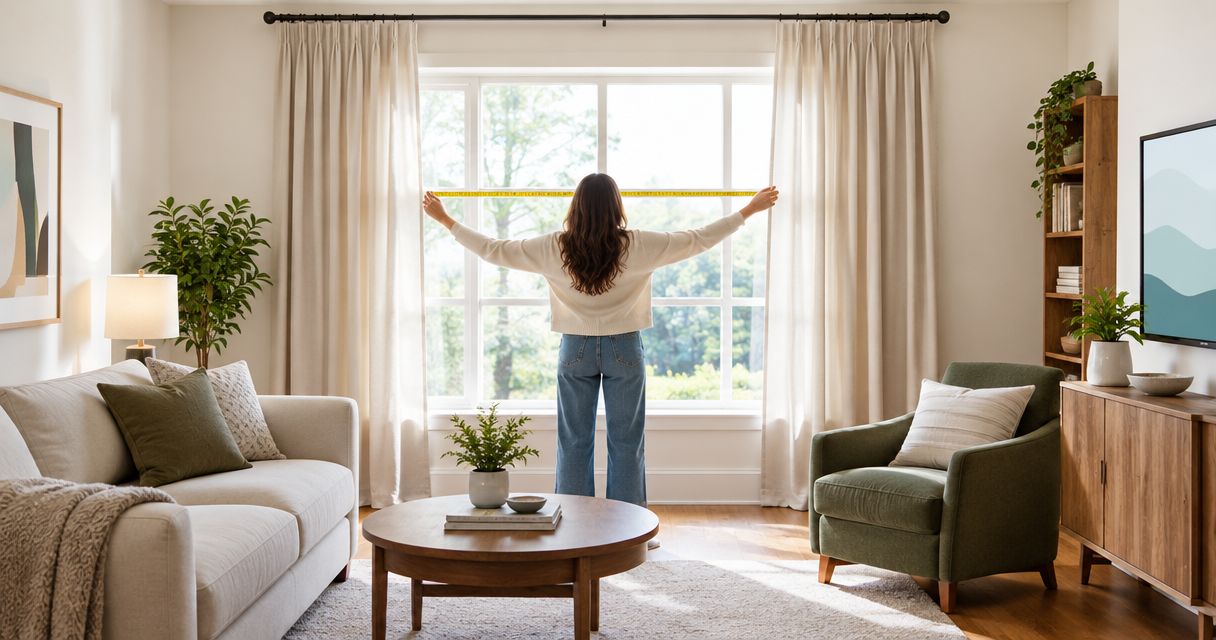
Start with a simple record you can share with an installer. For every opening, note its location, width and height in centimetres. Take 3 width readings—at the top, middle and bottom—rather than assuming the opening is identical throughout. Record the readings instead of replacing them with an average.
Separate window dimensions from the area you want covered. A curtain can extend beyond the glass, while a blind usually needs a different fit decision. If a mosque team is considering made-to-measure curtains, confirm the final measuring approach with the installer before placing the order.
- Label each opening by room and wall so measurements stay identifiable.
- Record width and height in centimetres, including the measurement points.
- Note nearby switches, doors, furniture and existing fittings.
- Confirm who approves final dimensions before fabric is prepared.
Choose light control
Match coverage to the room’s use. Sheer curtains filter daylight but provide less coverage when privacy matters; an opaque curtain gives stronger visual separation but reduces daylight when closed. A 2-layer arrangement can let a room switch between filtered light and greater coverage, but it adds material and another operation to manage.
If the team wants a finish selected for particular openings, Curtain-store offers custom curtains as well as ready-made options. Use the custom curtains in Riyadh guide to frame that discussion, then confirm fabric and fitting choices for the actual rooms. For 2026 planning, decide what the window must do before choosing its appearance.
- Write down whether each room needs filtered light, privacy or both.
- Compare a single curtain with a layered arrangement where flexibility matters.
- Check how each option looks when open and when closed.
- Ask for fabric choices that match the approved room brief.
Check daily upkeep
A fabric should make sense after installation, not just on selection day. Ask who will open the curtains, who will clean them and how the window will be reached. A finish that is difficult to maintain can become a poor fit even if its colour is right.
Look at the physical space around the window. A covering beside a door or furniture needs room to move. For a frequently used opening, discuss how the curtain or blind will be operated before settling on the final design.
- Name the person or team responsible for routine cleaning.
- Ask how the shortlisted fabric should be cared for.
- Check that doors and furniture do not obstruct movement.
- Choose an operation the room’s users can manage.
Plan installation access
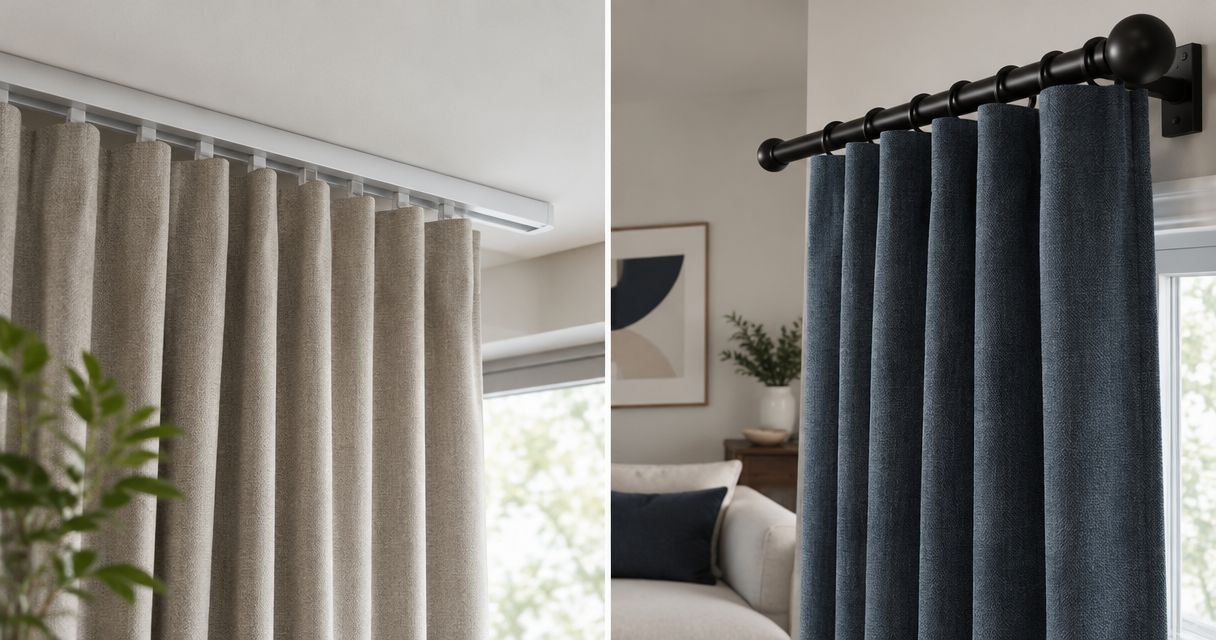
Installation is easier to coordinate when the mosque team agrees on access before work is scheduled. Identify who can open each room, who can approve the proposed fitting position and when the installer can work without disrupting the room’s intended use. Do not assume a fabric choice also settles the track, rod or blind fitting.
Curtain-store provides installation services. Discuss the openings and access needs directly, then confirm the proposed work for this mosque. In 2026, keep approval of the fabric, measurements and fitting method together so the agreed choice is clear to everyone involved.
- Identify the contact who can provide access to each room.
- Agree on the proposed fitting position for each opening.
- Review nearby fixtures and any existing hardware.
- Confirm the installation scope and timing directly before ordering.
Review the plan room by room
Put the decisions on one list before anyone places an order. Each entry should identify the room, its privacy and daylight needs, the selected treatment and the person approving it. This catches mismatches that a fabric sample alone will not reveal.
Read the list from the viewpoint of someone using the room. Can they adjust the covering as intended? Does the choice give the room the coverage it needs? Resolve those questions while changes are still straightforward to discuss.
- Check each selected treatment against the room’s original purpose.
- Confirm whether the covering must work in more than one position.
- Have the responsible person approve the final selection.
- Keep the approved measurements and installation notes together.
Compare window-covering options
These options solve different problems. The table is a starting point for a mosque’s room-by-room discussion, not a substitute for checking the actual windows and how people use the spaces.
| Option | Best for | Key limitation |
|---|---|---|
| Sheer curtains | Rooms where filtered daylight is the priority | Limited visual coverage when privacy is the main need |
| Opaque curtains | Rooms needing stronger visual separation | Less daylight while closed |
| Layered curtains | Rooms that need both filtered light and greater coverage | More material and operation to manage |
| Blinds | Openings where an adjustable covering suits the room | The fitting and operation must suit the opening |
Choose by use, not by a building-wide favourite. A layered treatment is useful only where people need both of its settings. A simpler covering can be easier to manage elsewhere. Curtain-store offers curtains and blinds, so the discussion can start with the room’s needs rather than a single product type.
Common mistakes mosque teams make
Choosing one treatment for every room
A consistent look does not require identical coverage. If an office needs adjustable daylight and another room needs privacy, write separate briefs. Keep any shared visual preferences in the brief, but let room use determine the treatment.
Measuring the glass and stopping there
The glass size does not settle where a curtain will hang or how much of the surrounding area it should cover. Record the opening and discuss the intended coverage and fitting position. Keep measurements labelled so an installer can identify the right room without guessing.
Deciding from a fabric sample alone
A sample helps you judge colour and feel; it does not show how the finished covering will work beside doors and furniture. Review the open and closed positions. Ask how the shortlisted fabric should be maintained before approving it.
Leaving access until installation day
An installer needs the right room available and a clear fitting decision. Name the access contact and agree on the proposed position in advance. That prevents a room-by-room plan from becoming an on-site debate.
FAQ
What curtains work for a mosque prayer hall in Riyadh?
Choose curtains according to the prayer hall’s daylight, privacy and operation needs. Compare how each option looks open and closed before approving fabric and fitting.
Are sheer curtains enough for mosque rooms?
Sheer curtains suit rooms where filtered daylight matters more than strong visual coverage. Choose greater coverage where privacy is the priority.
Should a mosque use curtains or blinds?
Use the covering that fits each room’s purpose and opening. Curtains offer fabric coverage; blinds offer an adjustable alternative, but their fitting and operation still need review.
Do layered curtains make sense in a mosque?
Layered curtains make sense where a room needs both filtered daylight and greater coverage. They also add material and another setting to manage.
How should mosque windows be measured for curtains?
Record each opening’s width and height in centimetres, and take 3 width readings at different points. Confirm the final coverage and fitting approach with the installer before ordering.
Can Curtain-store help with custom mosque curtains in Riyadh?
Curtain-store offers custom curtains and installation services in Riyadh. Discuss the mosque’s rooms, measurements and access requirements directly before agreeing on the work.
What should a mosque confirm before curtain installation?
Confirm room access, the fitting position, approved measurements and the installation scope. Keep those decisions with the room-by-room selection so everyone works from the same plan.
One last thing
Before approving a treatment in 2026, ask the person who uses each room to describe what should happen when its covering is open and when it is closed. That answer can change the choice more than a fabric sample. For a custom project, bring those answers to the call along with the labelled measurements; use the website to find Curtain-store’s current contact details rather than relying on an unconfirmed number.