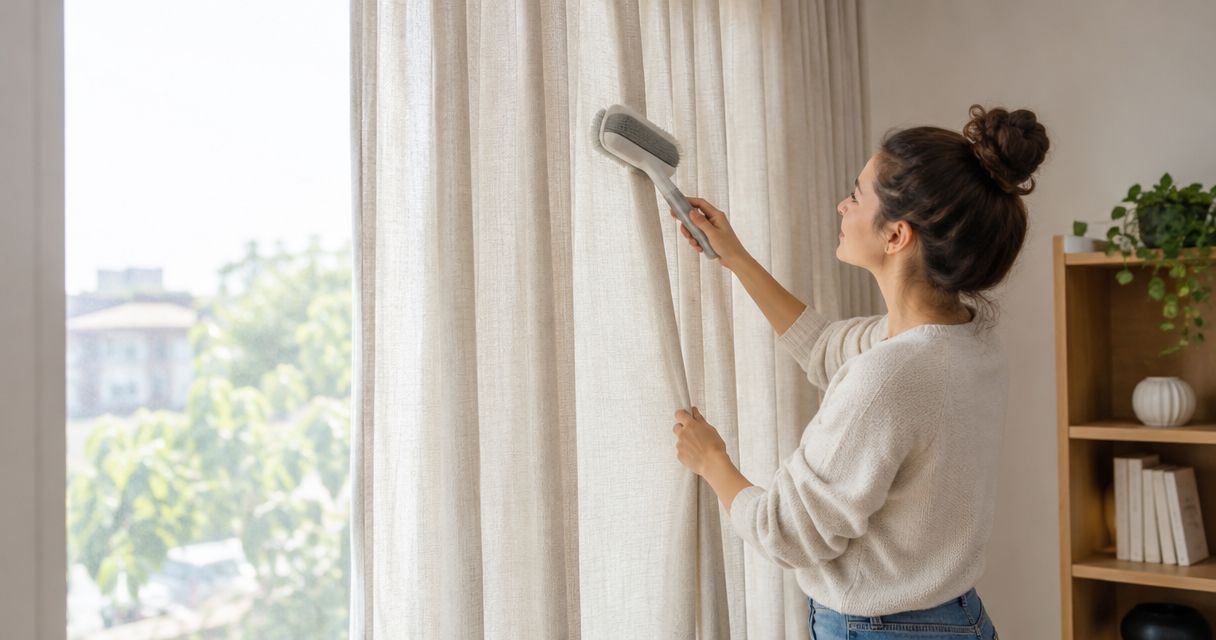
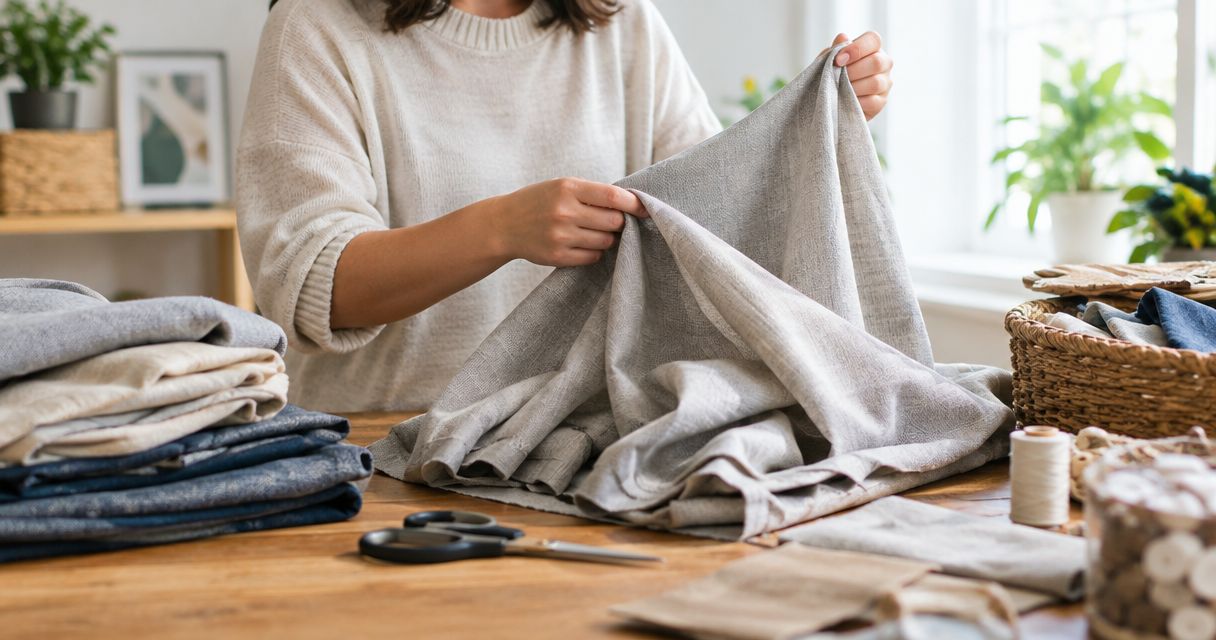
Yes, old curtain fabric can be reused when it is clean and sound, and recycled when a textile collection service accepts its fibre, lining and condition. Reuse intact panels first; damaged blackout coatings, mould, mixed materials and local acceptance rules can rule out particular recycling or donation routes.
- Can old curtain fabric be recycled or reused? Yes: reuse sound panels and confirm textile recycling acceptance before collection.
- Curtain-store offers custom curtains and installation support for Riyadh homes and businesses replacing old window treatments.
- Keep usable curtains intact until you decide between rehanging, alteration, donation and fabric repurposing.
- Do not put curtain fabric in a recycling bin unless the collection service explicitly accepts textiles.
Can old curtain fabric be recycled or reused?
Old curtains are reusable materials, not automatically recyclable materials. Their next use depends on what remains usable and what a recipient or collection service accepts. A change in colour preference does not make an otherwise sound curtain waste.
If replacement is part of your 2026 room refresh, Curtain-store offers ready-made and custom curtains, blinds, fabrics and installation services. Decide what happens to your existing curtains before removing them, rather than leaving the decision until the new window treatments arrive.
| Route | Best for | Main advantage | Main limitation |
|---|---|---|---|
| Rehang intact curtains | Sound panels that fit another window | Keeps the original curtain usable | Width, length and hanging style must suit the new location |
| Repair or alter | Curtains with localised damage or an unsuitable length | Preserves more of the existing material | Repair cannot restore brittle fabric or failing coatings |
| Repurpose fabric | Clean, strong sections from unsuitable panels | Turns useful sections into another household item | Cutting removes the option of donating complete curtains |
| Donate or pass on | Clean curtains another person can use | Gives intact panels another home | The recipient must accept the size, condition and material |
| Textile recycling | Unusable fabric an operator explicitly accepts | Sends accepted material into a textile recovery route | Acceptance differs by fibre, coating, attachments and condition |
| Appropriate disposal | Material rejected by reuse and recycling routes | Keeps unsuitable items out of donation and recycling streams | Ends the opportunity to recover the fabric through those routes |
Why this matters
Curtains combine fabric with practical details: hems, headings, hooks, linings and sometimes coatings. Those details affect both whether someone can use the curtain again and whether a recycler can process it. Treat the whole panel as an item to inspect, not simply a piece of cloth to drop into a collection bin.
For a Riyadh homeowner planning changes in 2026, the useful question is what still works. You might dislike the pattern while the fabric remains strong. Equally, a panel that looks acceptable from across the room can have weak folds, torn headings or a deteriorating backing.
Business buyers need another check. Moving curtains into an office, restaurant or other commercial space requires attention to the destination's requirements; appearance alone does not establish suitability.
Reuse intact curtains before cutting them
Keep complete curtains complete until you have ruled out another window or recipient. Once you cut away the heading or divide a panel into small pieces, it becomes harder to use as a curtain again.
Start by holding the panel against the proposed window. Check whether it covers the opening, closes comfortably and clears furniture, doors and walkways. A curtain that is too narrow does not solve a privacy problem just because its colour suits the room.
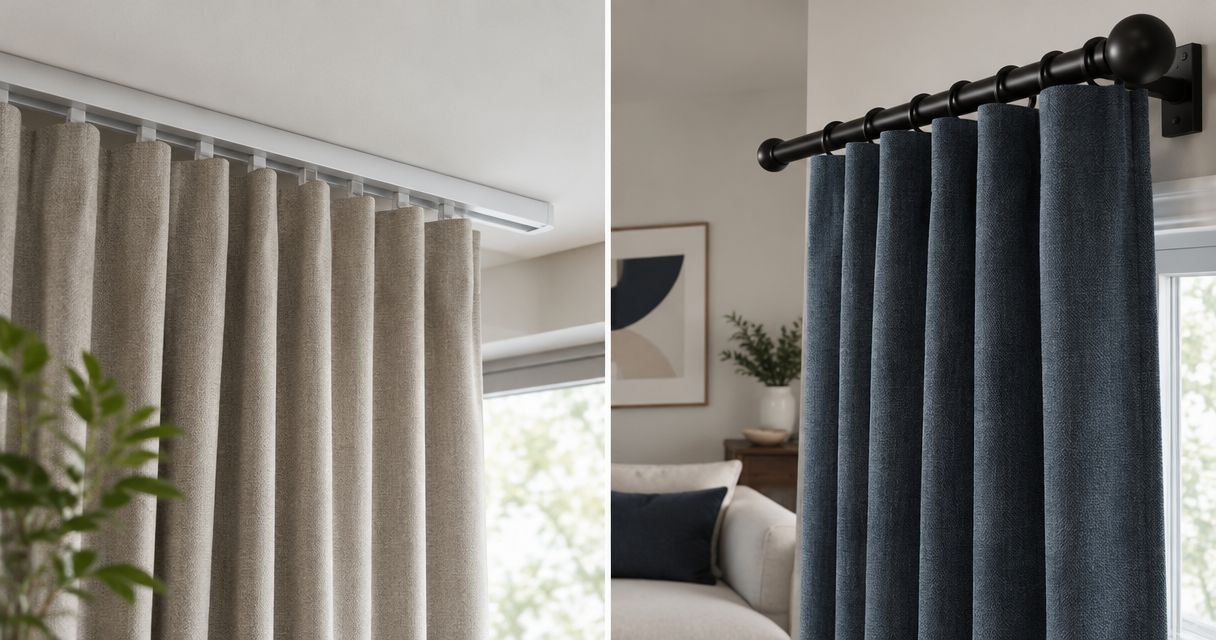
Look at the heading as well as the fabric. Eyelets, tabs and track-compatible headings are not interchangeable without adjustment. Keep removable hooks and other reusable fittings together, but check their compatibility before planning to transfer them.
Rehanging is a useful choice for a spare room, storage area or another suitable window. Its limitation is fit: a sound panel still needs the right dimensions and hanging arrangement. Do not stretch, force or improvise a fixing to make the old curtain work.
Inspect damage before choosing alteration
A damaged hem and a weakened panel call for different decisions. Localised fraying can leave enough sound fabric for a shorter curtain or smaller sewing project. Widespread brittleness leaves much less useful material.
Examine the sun-facing side, folds, seams and top edge. Gently handle suspect sections without pulling hard enough to create damage. If the fabric breaks during ordinary handling, do not choose it for a project that depends on strong seams.
For lined curtains, inspect the outer fabric and lining separately. An intact outer panel does not prove that the backing remains usable. Ask a sewing professional whether alteration suits the material before committing to a finished design.
Repurpose sound sections into useful household items
Repurposing works when the material is clean, strong enough for its new purpose and suitable for the care that purpose requires. Choose the project around the fabric, rather than forcing every old curtain into the same idea.
Decorative cushion covers, simple storage pouches and fabric craft pieces are options for suitable material. Their advantages are modest scale and the ability to avoid damaged areas. Their limitations are equally practical: a thick curtain fabric can be awkward to sew, and a delicate sheer will not behave like a sturdy storage fabric.
Do not assume that an old curtain is suitable for food contact, children's sleep products or heat protection. Those uses require more than an attractive pattern. Keep uncertain materials for decorative uses that do not depend on an unverified safety property.
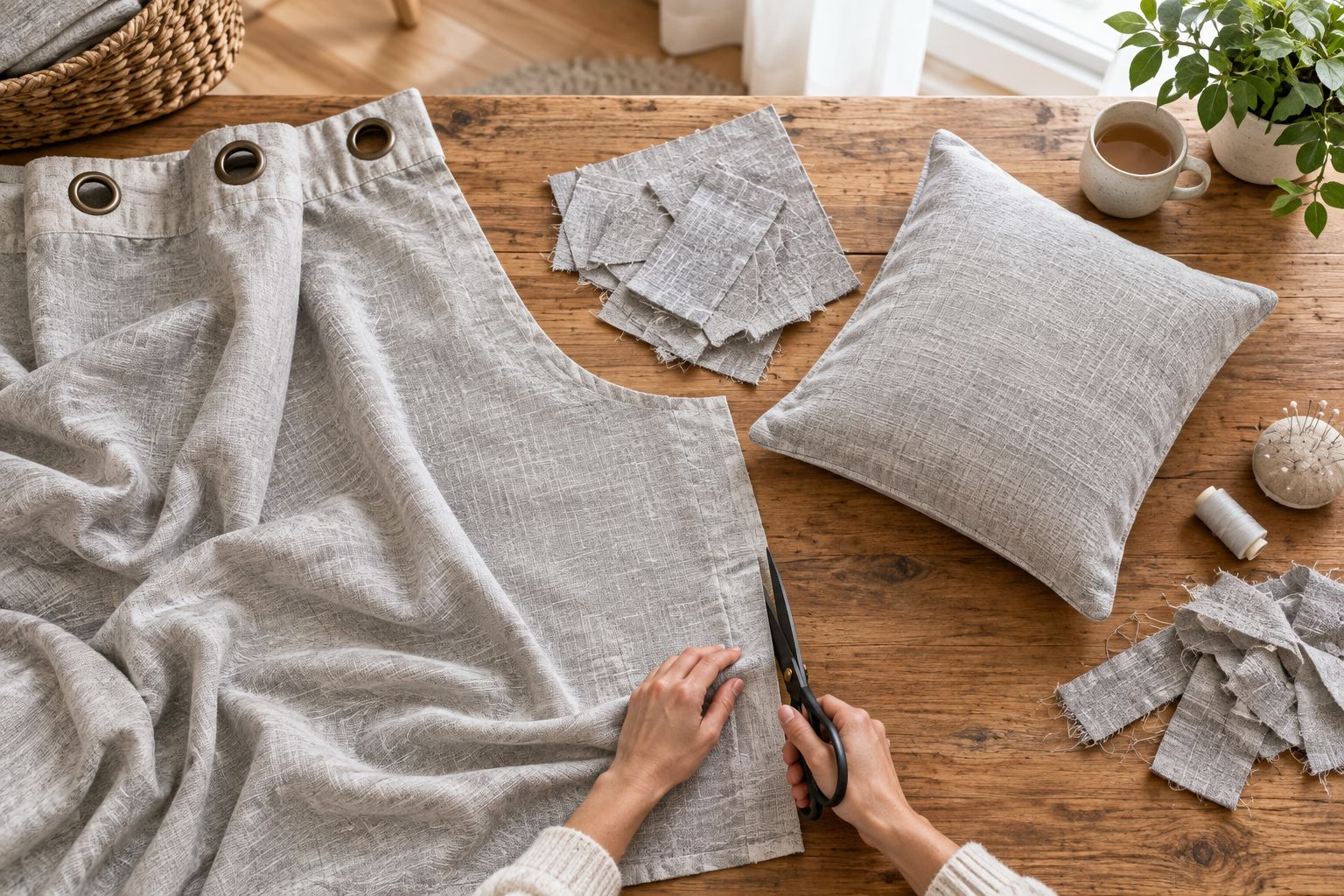
Before cutting, sketch the pieces you need and mark damaged areas. Include the fabric needed for seams and closures. Keep useful offcuts together rather than turning the whole panel into fragments immediately.
For your 2026 refresh, choose something you actually need. Making several unwanted accessories simply moves the storage problem from a curtain cupboard to another drawer. A single useful item is a clearer purpose than an open-ended pile of craft material.
Donate curtains only when someone can use them
Donation suits clean, serviceable curtains with enough information for a recipient to judge fit. Share the panel dimensions, number of panels, heading type and any visible defects. Describe a lining or blackout backing accurately rather than promising performance you have not checked.
Ask the recipient or organisation whether it accepts curtains before travelling or arranging a handover. Acceptance of clothing does not establish acceptance of household textiles. Do not leave a bag outside a collection point or treat donation as a way to dispose of rejected material.
Pack dry curtains neatly and label separate sets so their panels stay together. Keep loose hooks contained separately. If there is staining, damage or an odour, disclose it rather than hiding it inside folded fabric.
Donation is useful only when the next person can genuinely use the item. Its advantage is preserving a complete curtain; its limitation is that the recipient's needs, not your wish to clear space, determine suitability.
How to prepare old curtains for textile recycling
For textile recycling in 2026, confirm the operator's current rules before washing, cutting or removing components. A collection box is not evidence that every textile belongs inside it. Ask specifically about curtains and describe any lining or coating.
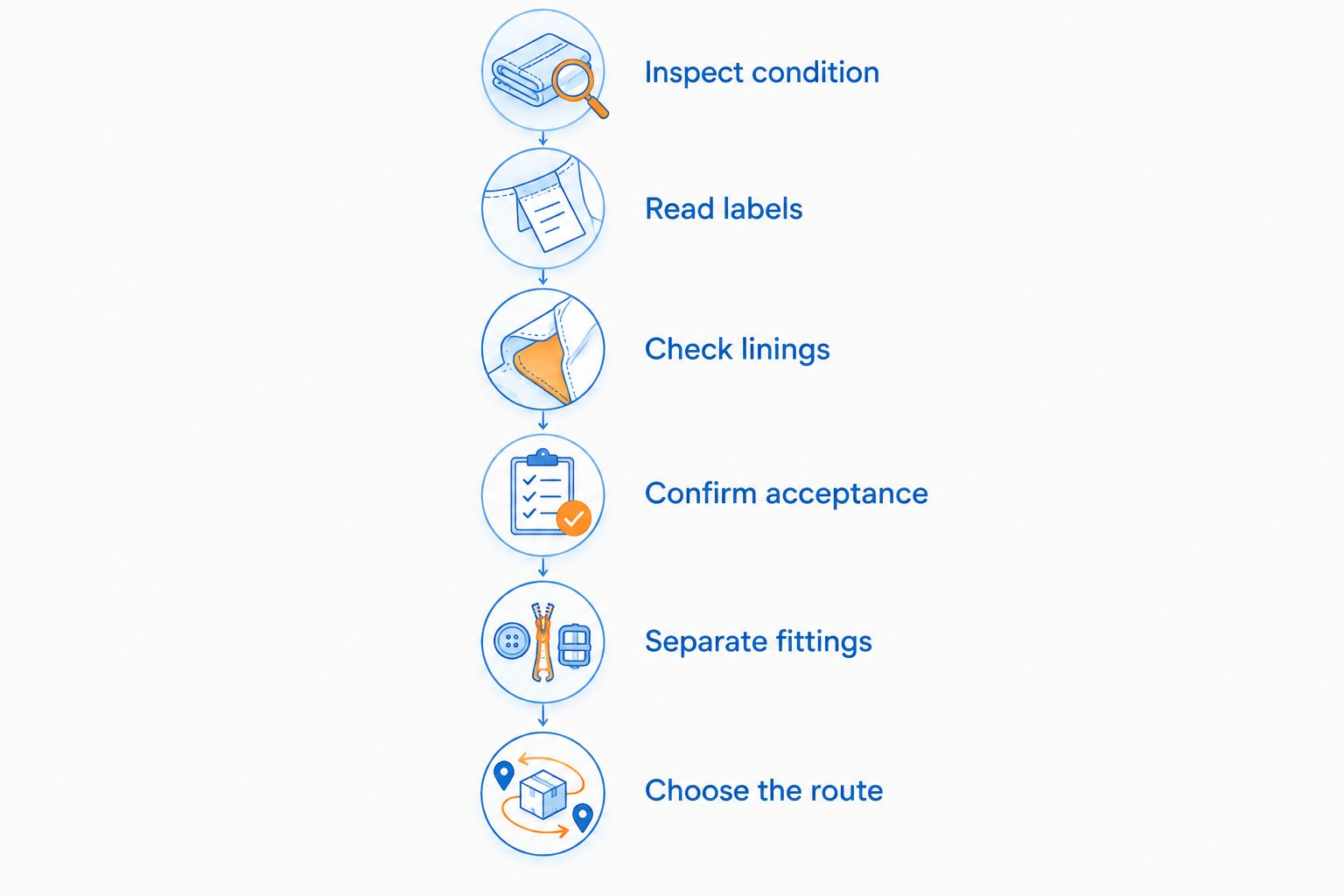
Follow these 6 steps to make the decision:
- Inspect condition. Separate sound curtains from torn, damp, mouldy or deteriorating material. Do not mix unsuitable fabric into a bag of usable items.
- Read labels. Record any stated fibre composition and care instructions. If the label is missing, describe the material as unknown rather than guessing.
- Check linings. Look for separate linings, bonded layers and flaking or sticky backing. Tell the operator what you find.
- Confirm acceptance. Ask whether the service accepts household curtains, the stated material and the condition of your panels.
- Separate fittings. Remove hooks or other attachments only as the operator instructs. Do not cut off parts unnecessarily before receiving that guidance.
- Choose the route. Follow the accepted preparation and handover instructions. If the material is rejected, ask about an appropriate disposal route instead.
These steps create 3 decisions: whether the curtain can remain a curtain, whether its sound fabric has another use, and whether the remaining material has an accepted recycling route. Keep those decisions separate; one unsuitable lining does not automatically answer what to do with every other component.
If cleaning is required, follow the care label rather than choosing a wash programme by appearance. For coated panels, the guide on washing blackout curtains at home addresses a separate decision: whether home washing suits the curtain you own.
Why curtain reuse and recycling options vary
The available route depends on the curtain itself and the organisation receiving it. These 5 factors explain why two similar-looking panels can need different handling:
- Fabric condition: Strong, clean fabric supports reuse; brittle areas, persistent contamination and extensive damage reduce the usable portion.
- Fibre information: A composition label helps an operator assess the material. An unknown fabric should remain identified as unknown.
- Linings and coatings: Separate layers and bonded backings need to be disclosed. Do not assume acceptance of plain fabric includes coated curtains.
- Fittings and construction: Hooks, eyelets, trims and stitched components affect preparation. Follow the recipient's instructions for separation.
- Recipient requirements: A household needs a curtain that fits; a donation organisation needs an accepted item; a recycler needs material compatible with its process.
For a 2026 handover, ask about the specific curtain, not just whether the organisation accepts textiles. That small change in wording helps prevent an unsuitable delivery and gives you clear preparation instructions.
Can blackout curtain fabric be reused?
Yes, blackout curtain fabric can be reused when its fabric and backing remain suitable for the intended purpose. Check for peeling, cracking, sticky surfaces and weak areas before deciding to rehang or sew it.
Do not promise the original light-blocking effect after damage or alteration. For recycling, disclose the coating or bonded construction and obtain acceptance explicitly; a textile collection service's acceptance of ordinary fabric does not answer this question.
Can faded curtains still be useful?
Yes, faded curtains can remain useful when fading has not left the fabric weak or unsuitable for the next use. Examine the affected areas rather than treating colour change alone as a reason to discard the whole panel.
A smaller decorative project can use an unfaded section. If the material tears during ordinary handling, choose a different fabric instead of building a new item around a weak section.
Should I wash old curtains before donating them?
Follow the recipient's cleanliness requirements and the curtain's care label before donating. Washing is not suitable for every curtain, and an unsuitable wash can damage fabric or backing.
Hand over only dry material and disclose remaining marks or odours. If the recipient does not accept the condition, do not relabel the curtain as ready to use.
Planning replacement without losing usable material
Curtain-store is suited to Riyadh homeowners seeking custom curtains and installation support. The store also serves businesses, but an existing curtain's suitability for a new setting still needs its own assessment.
When planning replacement in 2026, explain which old panels you want to keep and which windows need new treatment. Confirm dimensions, privacy needs and installation arrangements before taking down curtains that still serve a purpose.
Call Curtain-store to discuss your replacement plans using the contact details published on its website. If you prefer WhatsApp, check the site's listed contact options. Keep your reuse or recycling arrangements separate unless the store explicitly confirms that it accepts old curtains.
FAQ
Can old curtain fabric be recycled or reused in Riyadh?
Yes, sound curtain fabric can be reused in Riyadh, while recycling requires a service that explicitly accepts the material. Confirm current collection rules for curtains, linings and coatings before handing them over.
Can I put old curtains in my normal recycling bin?
Do not put old curtains in a normal recycling bin unless its collection rules explicitly accept textiles. Ask the collection service which route accepts household curtain fabric.
Is donating old curtains better than cutting them into fabric pieces?
Donate intact curtains when an identified recipient can use them. Keep the panels complete until you have checked fit and acceptance; cutting removes their original curtain function.
Can I recycle curtains without a fabric label?
A missing fabric label does not establish whether a curtain is recyclable. Describe the composition as unknown and ask the operator whether it accepts unidentified household textiles.
Can I reuse mouldy or damp curtain fabric?
Do not donate or repurpose damp or mouldy curtain fabric as a ready-to-use item. Keep it separate from clean material and obtain appropriate handling or disposal guidance.
Does Curtain-store collect old curtains for recycling?
Do not assume Curtain-store collects old curtains for recycling. Contact the store directly to confirm any collection service before bringing old panels; its stated services include curtains, blinds, fabrics and installation.
One last thing
Make the next-use decision before making the first cut. A complete curtain retains its heading, seams and usable shape; a bag of offcuts does not. Set aside the panels with a confirmed next home, then work through the remaining material by condition and acceptance.